Key takeaways
- You can trade from an NEA hawker centre (monthly e-Tender, $500 deposit per bid), a coffee shop stall rented from the operator, or a food court stall. Each has different rules and costs. For a kopi and teh stall specifically, see our drinks stall guide.
- SFA lists the Food Stall Licence at $32 a year for coffee shop and food court stalls, and $13 a year for hawker stalls. Every cook needs WSQ Food Safety Course Level 1.
- Griddles, deep fryers and grills produce heat, grease and smoke. Check the stall’s exhaust, gas and power before you bid or sign.
- Western dishes carry higher protein costs than many hawker dishes. Cost every plate before you set prices.
- A queue system with SMS alerts and clear payment options, including CDC Vouchers, keep a busy counter moving.
This guide is general information, not legal advice. Official fees and rules were taken from NEA, SFA, MUIS and CDC Vouchers pages as summarised in our existing guides, checked in September 2026. Check each agency’s current page before you commit money.
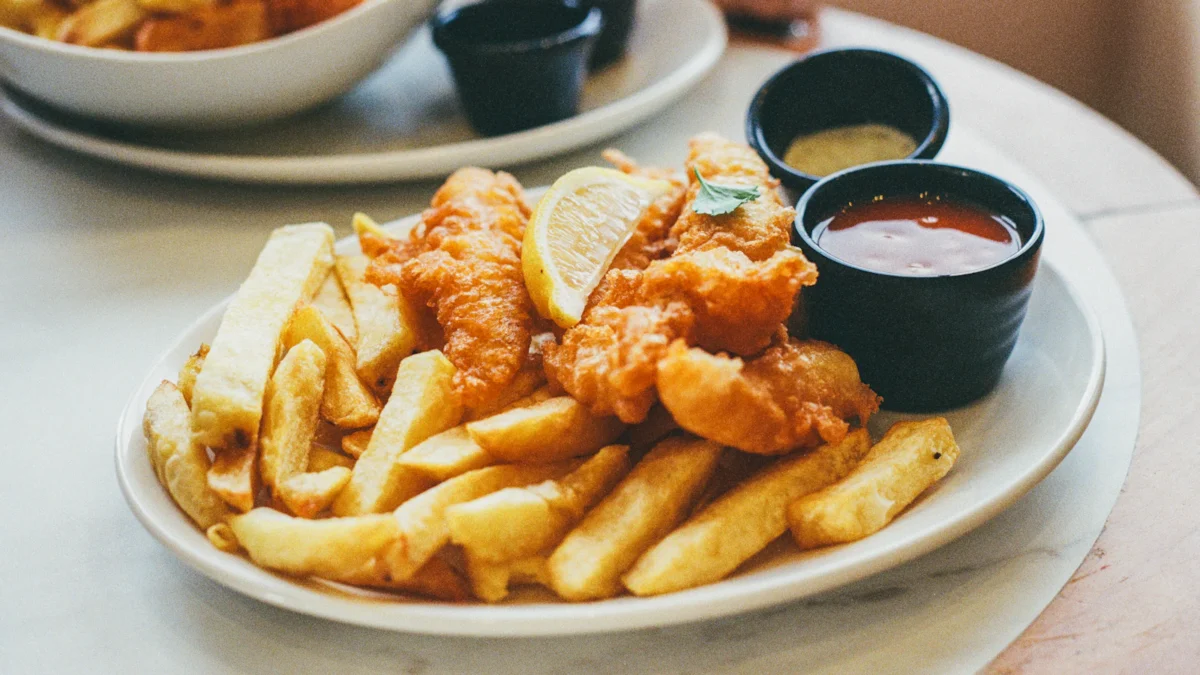
The Western food stall is a hawker and coffee shop favourite: chicken chop with black pepper sauce, fish and chips, spaghetti, sirloin steak and a plate of fries, coleslaw and baked beans on the side. It looks simple, but it has a different kitchen profile from most hawker dishes. It relies on frying and griddling, needs more protein per plate, and serves a mix of main, sauce and sides on every order. This guide covers where to open, licences, equipment, menu costing, pricing, the queue, payments, POS and halal. For the general hawker process, read our hawker stall guide.
Where to open: hawker centre, coffee shop or food court
NEA hawker centre stall
NEA rents out vacant stalls in the centres it manages through a monthly e-Tender. Our hawker stall guide covers the process: the tender typically runs from the 13th to the 26th of each month, you pay a $500 tender deposit per stall you bid for, and you must be a Singapore citizen or PR aged 21 or above, among other conditions on NEA’s Becoming a Hawker page. One person can rent at most two cooked food stalls. NEA publishes past successful bids in the Tender Notice and offers a Hawker Business Calculator, so bid what you can sustain, not what it takes to win.
New hawkers without F&B experience can apply for NEA’s Incubation Stall Programme, which offers a fitted stall at 50% of market rent for nine months, then 75% for six months.
Coffee shop stall
Western food is a common coffee shop stall. You rent the stall from the coffee shop operator on their terms, which vary widely. Ask about the stall fee and what it includes (gas, cleaning, dishwashing), whether another stall already sells Western food, whether the operator reserves drinks for the drinks stall, and whether you collect your own payments. Our kopitiam guide lists what the stallholder agreement should cover. Get the full agreement in writing before you pay anything.
Food court stall
Mall food courts bring high footfall and a counter format that suits Western food. Operators usually set rules on menus, prices, opening hours and how payments are collected, and some run a central payment system. Read the agreement before you design your stall, and ask which system you must use. Our food court POS comparison explains how operators handle multi-stall sales.
Licences and food safety
The licence depends on where you trade, according to SFA’s list of businesses that need a licence and its fees page:
| Where you trade | SFA licence | Fee and how to apply |
|---|---|---|
| NEA-managed hawker centre | Food Stall Licence | $13 a year for hawker stalls; NEA helps you apply as part of tenancy administration |
| Centre run by an NEA-appointed operator | Food Stall Licence | You apply to SFA yourself |
| Coffee shop or food court stall | Food Stall Licence | $32 a year, or $64 for two years; the stallholder applies with the tenancy agreement and IRAS Certificate of Stamp Duty |
NEA says you must pass WSQ Food Safety Course Level 1 before signing the tenancy agreement for a cooked food stall, and it will not issue your stall licence without it. SFA says food handlers need retraining within five years of passing, then every ten years. Your assistants must be registered food handlers too. NEA also says stalls selling beer need a Class 2B liquor licence, which SPF lists at $285 a year. Our SFA licence guide explains the difference between a Food Shop and a Food Stall Licence.
Equipment: griddle, deep fryer and grill
Work from the menu, not a generic list. A typical Western stall needs:
- Flat-top griddle. For chicken chop, steaks, burgers and eggs (the core of any burger restaurant). Choose the size by your peak-hour output.
- Deep fryer. For fries, fish, nuggets and chicken cutlet. Check oil capacity, recovery time and filtration. Many stalls run two baskets so fries and fish do not share oil.
- Grill or chargrill. Optional, for grill marks on steaks and lamb. It adds smoke, so check the exhaust first. A full grill-led restaurant is covered in how to open a steakhouse in Singapore.
- Pasta boiler or stockpot burner. For spaghetti and soups.
- Undercounter chiller and freezer. Western stalls hold a lot of frozen and chilled protein. Plan space for thawing in a chiller, not at room temperature.
- Bain-marie or warmers. For sauces such as black pepper and mushroom, and sides like baked beans.
Exhaust, fire safety and grease
NEA’s Code of Practice on Environmental Health says cooking fumes must be extracted and treated with an air cleaning system so there is no visible smoke. In a coffee shop or food court, the operator usually controls the system, so ask what it can take. SFA’s guidelines say the hood and whole exhaust duct must be degreased by a specialist at least once every 12 months. SCDF’s plan approval page says fire safety works need approved plans from a qualified person, and NEA’s tenancy terms require approval before additions and alterations, and licensed personnel for gas and electrical fittings. Ask your fire safety contractor which extinguisher suits cooking oil fires.
PUB says hawker centres and coffee shops need grease traps, cleaned by a licensed waste collector at least once every two weeks. Fryer oil and griddle scrapings must never go down the sink. Arrange used-oil collection and scrape plates before washing. Our commercial kitchen equipment list covers buying questions and a maintenance schedule.
Menu and food cost
A tight menu keeps a small stall fast. Most Western stalls do well with six to ten mains that share sides and sauces:
- Chicken chop (grilled or breaded) with black pepper or mushroom sauce.
- Fish and chips with tartar sauce.
- Pasta: aglio olio, carbonara or tomato-based, with chicken or seafood. For a full Italian concept, see how to open an Italian restaurant.
- Steak and lamb chop as premium items.
- Sides: fries, coleslaw, baked beans, mashed potato, garlic bread, and a fried egg as an add-on.
Shared components matter. If every main comes with the same two sides and one of two sauces, prep is simpler, waste is lower and orders are faster.
Hypothetical example, for illustration only: a chicken chop plate uses a chicken thigh ($2.20), black pepper sauce ($0.40), fries ($0.50), coleslaw ($0.30), baked beans ($0.20) and frying oil and takeaway packaging share ($0.20). The plate cost is $3.80. At a hypothetical selling price of $8, food cost is about 48%. To bring food cost down to about 35%, the price would need to be around $10.90, or the portion and sides would need to change. Use your own supplier prices and portion weights.
That example shows why Western stalls feel the squeeze: protein makes up most of the plate cost. ChaChaCha’s inventory module deducts ingredients by recipe with every sale and gives recipe costing per menu item, so you can see what each plate costs when chicken or fish prices change. Our menu pricing guide covers the method in more detail.
Pricing at hawker price points
Hawker and coffee shop customers compare prices across stalls, and Western food sits beside cheaper noodle and rice dishes. You cannot price like a café, but you should not price below cost either.
- Anchor with one value item. A chicken chop or fish and chips at a sharp price draws the queue. Make sure it still covers its cost.
- Earn margin on add-ons. A fried egg, extra sauce, cheese, an upsized drink or a swap from fries to mashed potato carry better margins than the main.
- Price premium items clearly. Steak and lamb cost more; price them by their own cost, not by the chicken chop.
- Review prices when suppliers move. A dish that made money at last year’s prices may not now.
- Check operator rules. Some coffee shops take part in HDB’s optional budget meal initiative, and some centres ask stalls for value meals. Ask what applies before you set your menu board.
NEA’s Hawker Business Calculator helps you test whether your rent, costs and prices add up before you bid.
Speed and the queue
Western plates take longer than a bowl of noodles: the protein must cook through, and every plate needs sides and sauce. At lunch, a queue that stands in front of the stall puts people off.
- Take the order and payment first, then call numbers. Customers can sit down instead of blocking the counter.
- Use a queue system. ChaChaCha’s queue system issues a number with each order, sends an SMS when the food is ready and shows numbers on a digital queue display. Our queue management comparison covers other options.
- Batch the fryer. Keep fries moving in batches at peak, and time fish and chicken so sides are ready when the protein is.
- Print a ticket for the cook. “Chicken chop, mushroom sauce, no coleslaw, add egg” is easy to get wrong from memory. A printed ticket with modifiers gives the cook something to check.
- QR pre-orders. With QR ordering, regulars can order and pay before they reach the stall, then collect.
Payments: SGQR, PayNow, NETS and CDC Vouchers
Customers pay by cash, PayNow, PayLah!, NETS, cards and vouchers. SGQR, as described by MAS, combines several payment schemes into one QR label, so customers can pay with PayNow and many e-wallets from one code.
Hawker stalls and heartland merchants can also register to accept CDC Vouchers. You redeem them by scanning the customer’s voucher QR code with the free RedeemSG Merchant app, separate from your SGQR or card terminal. The scheme states there are no fees or commissions and payouts arrive the day after redemption. You cannot give cash change. Set up a separate “CDC Voucher” payment type in your POS so your cash drawer balances. Our CDC Vouchers merchants guide covers registration and redemption, and our guide to accepting PayNow covers the basics.
POS or just SGQR?
An SGQR code is a payment label. It does not take the order, work out the price, manage the queue or tell you what sold. For a one-person stall with a short menu, SGQR and cash may be enough. A Western stall often outgrows that quickly, because nearly every order has options: sauce, sides, doneness, add-ons. Our hawker POS vs SGQR guide goes through when each makes sense.
Where a POS helps, ChaChaCha’s hawker POS offers:
- Custom modifiers for sauce, sides, doneness and add-ons, priced automatically and printed on the kitchen ticket.
- Kitchen tickets in English or 中文, printed via Epson cloud printing or shown on a kitchen display.
- Queue numbers with SMS alerts and a digital queue display.
- Payments by PayNow, PayLah!, NETS, Visa/Mastercard and GrabPay, with split payments and automated reconciliation.
- Daily reports by item and payment type, and the AppsPOS AI agent on WhatsApp to ask questions about your sales.
- Offline mode: it keeps taking orders if the centre’s internet drops and syncs later.
Pricing is quote-based; use our POS cost calculator for a rough figure. AppsPOS, which powers ChaChaCha, has been a PSG pre-approved vendor and is approved under the EDGE Grant, which combines PSG, EDG and MRA from 30 September 2026. See our grant guide.
Halal or not
Many Western food stalls serve Muslim customers, and “halal?” is one of the first questions at the counter. Certification is voluntary for most stalls, but decide before you choose suppliers.
- Stall category. MUIS puts independent hawker stalls under Eating Establishment Category 1, which requires at least 1 permanent Muslim personnel, with at least the Owner Representative holding a valid Halal Competency Assessment certificate.
- NEA tenancy rule. Under NEA’s tenancy requirement, non-Muslim operators selling halal cooked food must get MUIS halal certification.
- Suppliers. Every ingredient, including sauces, frozen fish and processed chicken, needs the supporting documents MUIS asks for.
- Claims. You must not advertise that you are applying for halal certification. If you are not certified, never imply halal status on signs, menus or delivery listings.
Our MUIS halal certification guide covers the schemes, fees and timeline.
Western food stall checklist
| Stage | Task | Where |
|---|---|---|
| Concept | Choose six to ten mains with shared sides and sauces; decide on halal | You, MUIS |
| Site | Hawker tender, coffee shop or food court; check exhaust, gas, power and grease trap | NEA, operator |
| Agreement | Read stall fee, inclusions, menu rules, payment collection and exit terms | Operator |
| Licences | Food Stall Licence; Class 2B liquor licence if selling beer | SFA, NEA, SPF |
| People | WSQ Food Safety Course Level 1 for every cook and helper; register assistants | Training provider, NEA, SFA |
| Kitchen | Griddle, fryer, grill, chiller and freezer; licensed gas and electrical work | Suppliers, contractor |
| Costing | Cost every plate; set prices and add-ons | You |
| Payments | SGQR, PayNow, NETS, cards; register for CDC Vouchers | Bank, CDC |
| POS | Menu with modifiers, queue numbers, SMS alerts, daily reports | POS vendor |
| Open | Trial service at peak speed; review daily sales and food cost | You |
If you want to see how modifiers, queue alerts and daily reports would work at your stall, contact us for a quote.