Key takeaways
- Pick the format first: a casual trattoria, a fast pasta bar or a fine-dining room need different kitchens, staff and price points. If you are weighing a Mexican menu instead, see our guide to opening a Mexican restaurant. Pizza-led concepts are covered in our pizza restaurant guide.
- A restaurant needs an SFA Food Shop Licence, which SFA lists at $195 a year. Submit your layout plan and renovate only after SFA approves it.
- Wine is part of the Italian experience, so plan for an all-liquor licence. SPF lists Class 1A (0600 to 2359hrs) at $880 a year, and processing takes about three weeks.
- Build the kitchen around a pasta station: boiling water, sauce pans and a clear flow to the pass. Course-based tickets keep antipasti, primi and secondi in order.
- Cost every dish by recipe, including imported cheese, cured meats and olive oil, and price wine by the bottle and the glass separately.
This guide is general information, not legal advice. Official rules and fees quoted were taken from the agency pages linked below, checked on 28 September 2026. Confirm the current position with each agency before you sign a lease or pay a deposit.
Italian food is familiar to almost every diner in Singapore, which makes it easy to sell and hard to stand out in. Guests compare your carbonara with every other one they have eaten, and they notice if the pasta is overcooked or the wine is served warm. The general steps for any restaurant are in our guide on how to open a restaurant in Singapore. This article covers what is specific to an Italian restaurant that is not pizza-led: the concept, where to trade, licences, the pasta station, imported ingredients, course-based service, costing, staffing and the POS.
Choose your Italian concept: trattoria, pasta bar or fine dining
“Italian” covers very different businesses. Settle the format before you look at units, because it decides the size of the kitchen, the number of staff and how long each table stays.
| Format | Typical menu | What to plan for |
|---|---|---|
| Casual trattoria | Antipasti to share, a dozen pastas, a few mains, tiramisu, house wine | Family groups, sharing plates, moderate wine sales, weekend peaks |
| Pasta bar or counter | Short list of fresh pastas, a salad, one dessert, wine by the glass | Fast lunch turnover, small kitchen, counter or QR ordering |
| Regional or fine dining | Tasting menus, handmade filled pastas, premium imports, a deep wine list | Skilled chefs, course pacing, sommelier-style service, higher spend per guest |
| Hawker or coffee shop stall | Pasta plates and baked rice at accessible prices | One or two cooks, limited equipment, no table service |
Write a one-line concept, such as “Roman-style trattoria, fresh pasta made daily, wine by the carafe”, and use it on the menu, your Google Business Profile and delivery listings. If you plan wood-fired pizza as a big part of the menu, read the pizza guide as well, because ovens change the exhaust and fire safety picture.
Where to open: hawker stall, coffee shop, mall or shophouse
- Hawker centre. NEA runs a monthly e-Tender for stalls. NEA’s Becoming a Hawker page says you must be a Singapore Citizen or PR aged 21 or above, and no one may rent more than two cooked food stalls in NEA-managed centres. NEA helps stallholders obtain the SFA licence as part of the tenancy.
- Coffee shop or food court stall. You rent from the operator and apply for an SFA Food Stall Licence, which SFA lists at $32 a year. A pasta stall works if the menu is short and the equipment fits the stall.
- Mall unit. Good for lunch and family dinners, but check the landlord’s fit-out rules on gas, exhaust and seating before you design the kitchen. Our mall restaurant guide covers leases and turnover rent.
- Shophouse. Suits a neighbourhood trattoria or wine-led concept. Weighing a French menu instead? Read how to open a French bistro in Singapore. Check approved use, exhaust routes and the land authority approval you need for the liquor licence.
Whichever you choose, check approved use, power supply, gas, exhaust and the grease trap before you sign. PUB says all establishments that handle food, including restaurants, coffee shops and hawker centres, need a grease trap (PUB).
Licences: SFA Food Shop Licence and the SPF liquor licence
SFA food licence
SFA’s fees page lists the Food Shop Licence at $195 a year. You apply on GoBusiness with a layout plan drawn to scale that shows kitchen equipment, sinks, wash basins, exhausts and the boundary of the dining area. SFA reviews complete applications within 7 working days, and you should renovate only after SFA approves the layout. Before opening you need a pre-licensing inspection, done virtually or by photos. SFA’s requirements page also says food handlers must meet the WSQ Food Safety Course Level 1 requirement at the point of application. Our Food Shop Licence guide walks through each step.
Liquor licence for wine and aperitivo
Liquor licences are issued by the Singapore Police Force. SPF’s licence classes page lists:
| Class | What it covers | Hours | Fee per year |
|---|---|---|---|
| 1A | All liquor, consumed on the premises | 0600 to 2359hrs | $880 |
| 1B | All liquor, consumed on the premises | 0600 to 2200hrs | $660 |
| 2A | Beer only, consumed on the premises | 0600 to 2359hrs | $460 |
| 3A | All liquor by retail for consumption elsewhere, typically deliveries and takeaways | 0700 to 2230hrs | $110 |
Wine, prosecco, grappa and limoncello are not beer, so a beer-only class will not cover an Italian drinks list. A trattoria that closes by 10pm may find Class 1B enough; one serving late needs 1A. If you want to sell bottles to take home, ask SPF whether you also need Class 3A. Our liquor shop guide explains the takeaway classes. SPF’s application page says processing takes about three weeks from a complete application, and you need land authority support such as HDB approval or URA planning permission. Our liquor licence guide covers conditions, display rules and trading hours in full.
Kitchen and equipment: building the pasta station
The pasta station is the heart of the kitchen. At peak, one cook may have several pans going while pasta cooks in the water beside them. Plan for:
- Pasta cooker or large boiling pots. A dedicated pasta cooker with baskets lets you cook portions to order and keeps starchy water ready for finishing sauces.
- Burner rings for sauté pans. Most pastas are finished in the pan with sauce, so count burners against the number of pasta dishes you expect at peak.
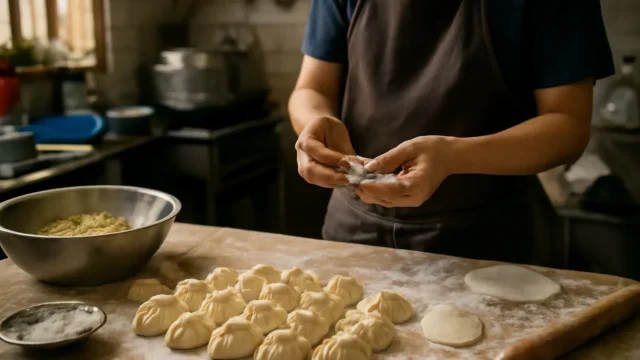
- Fresh pasta prep. If you make pasta in-house, you need bench space, a sheeter or extruder, drying racks and chiller space for portions. Many restaurants make fresh pasta in the morning and buy dried pasta for the rest.
- Cold station. Antipasti, burrata, carpaccio and desserts need a chilled prep area separate from raw meat handling.
- Salamander or oven. For gratins, baked pastas and finishing mains.
NEA’s Code of Practice on Environmental Health says fumes from the cooking range must be extracted and treated with an air cleaning system so that no visible smoke is discharged, with the outlet above the roof or at an outdoor point not facing adjacent buildings. SFA’s guidelines for licensed premises require the hood and entire duct to be degreased by a specialist at least once every 12 months, with records kept. Fire safety works need SCDF-approved plans submitted by a qualified person (SCDF). Our kitchen equipment list covers buying questions in detail.
Imported ingredients: cheese, cured meats, olive oil and wine
Italian cooking depends on a handful of imported products: Parmigiano Reggiano and Pecorino, guanciale and prosciutto, olive oil, canned tomatoes, dried pasta and wine. Most restaurants buy these from licensed importers and distributors, who handle the paperwork. If you want to import directly, SFA’s import fees page lists the licence for meat and fish products at $84 a year and registration to import processed food products as free, with a Cargo Clearance Permit for every consignment. SFA also says imported meat must come from approved sources. Our SFA import licence guide explains when direct import makes sense.
Keep a second supplier for your key cheeses and cured meats, because a missing guanciale takes carbonara and amatriciana off the menu at once. For allergens, SFA lists milk, egg, wheat, fish, crustaceans, soya, peanuts and tree nuts among the most common (SFA). Italian menus are heavy in milk, egg and wheat, and pesto often contains pine nuts. Our allergen guide has a matrix template.
Course-based service and kitchen tickets
Italian meals often run in courses: antipasti, then primi (pasta and risotto), then secondi, then dolci. If every dish on a table’s order hits the kitchen at once, pastas die at the pass while guests are still on their starters. Decide how your kitchen will pace courses:
- Send by course. The server sends starters first and fires pastas when plates are cleared. Simple, but it relies on the floor team watching every table.
- Send all, cook in order. The whole order goes to the kitchen with courses marked, and the pass decides when to start each one.
- Share-style. In a casual trattoria, many groups want everything together. Ask at order time and mark it on the ticket.
Risotto takes longer than most pastas, so set expectations on the menu and give the kitchen a clear prep time. Our guide to speeding up ticket times covers pass management.
Menu costing and wine pricing
Cost every dish from its recipe: weigh each ingredient per portion, multiply by your current supplier price, and add a small allowance for oil, salt and garnish. Food cost percentage is plate cost divided by the menu price before GST and service charge. Fresh pasta has a labour cost as well as an ingredient cost, so track the hours spent making it. Imported cheese and cured meat prices move with exchange rates and shipping, so re-check them regularly. Our recipe costing template and menu pricing guide explain the method.
Price wine separately by the bottle and by the glass. A bottle opened for by-the-glass sales must sell out before it spoils, so keep the glass list short and pour to a measured volume. This guide gives no market wine margins; work from your own purchase prices and track how fast each wine sells.
ChaChaCha’s inventory module deducts ingredients by recipe with each sale and gives recipe costing per menu item, so you can see how a price change on Parmigiano affects each dish.
Manpower: chefs, servers and foreign worker rules
An Italian kitchen needs at least one cook who can run the pasta station at speed. Fine dining adds pastry and a floor team who can talk about wine. Our fine-dining restaurant guide covers that format. All food handlers must hold a valid WSQ Food Safety Course Level 1, which SFA says involves 6 hours of training and a 1.5-hour assessment (SFA).
If you plan to hire Work Permit holders, MOM’s services sector page says restaurants count as services, but food stalls and hawker stalls do not, and only operators with an SFA Food Shop Licence may employ migrant workers. The quota (dependency ratio ceiling) is 35% of your workforce, and the monthly levy is tiered:
| Share of total workforce (MOM tier) | Basic-skilled levy per month | Higher-skilled levy per month |
|---|---|---|
| Up to 10% | $450 | $300 |
| Above 10% to 25% | $600 | $400 |
| Above 25% to 35% | $800 | $600 |
MOM says the first two tiers will merge from 2028. Our guides to foreign workers in F&B and restaurant labour cost cover the details.
POS setup for an Italian restaurant
- Courses on the ticket. ChaChaCha’s restaurant POS supports custom modifiers, so servers can mark courses, “share-style”, allergy notes and pasta swaps such as gluten-free. For hold-and-fire course control, ask us to confirm how it works on your setup.
- Kitchen display. The kitchen display system routes pastas to the pasta station, mains to the grill and desserts to the cold station, with order prioritisation and prep timers. Epson cloud printing sends tickets to several printers if a station prefers paper.
- Wine and tables. Table management, split bills and tabs suit long dinners where a group orders another bottle. Staff permissions control who can void or discount.
- Payments and loyalty. PayNow, PayLah!, NETS, Visa/Mastercard and GrabPay, with split payments and automated reconciliation; loyalty with points, stamps, vouchers and birthday rewards.
The POS keeps taking orders if the internet drops and syncs later. Pricing is quote-based, and AppsPOS, which powers ChaChaCha, is approved under the EDGE Grant; see our grant guide.
Italian restaurant opening checklist
- Concept and format fixed: trattoria, pasta bar, fine dining or stall.
- Unit checked for approved use, exhaust, gas, grease trap and power.
- SFA layout approved before renovation; fire safety plans by a qualified person.
- Liquor licence class chosen for wine, applied for at least three weeks ahead.
- Importers and backup suppliers chosen for cheese, cured meats and olive oil.
- Every dish costed by recipe; wine priced by bottle and glass.
- Staff trained, WSQ certificates checked, and POS set up with courses and station routing.
Want to see course notes, station routing and tabs on your own menu? Talk to us for a demo and a quote.