Key takeaways
- A cha chaan teng sells variety at speed. The menu can run to well over a hundred items, so the real work is in structuring it with sets and modifiers.
- Sets change by time of day: breakfast, lunch, afternoon tea and dinner. Each set bundles a main, a side and a drink with a small top-up for cold or special drinks.
- Milk tea and coffee carry the margin. Cost them carefully, and grade freshly prepared drinks for Nutri-Grade before printing menus.
- A sit-down cafe needs an SFA Food Shop Licence, listed at $195 a year.
- Fast table turns come from shared tables, quick ordering, a kitchen split into stations and quick payment.
This guide is general information, not legal advice. Official rules and fees quoted were taken from the agency pages linked below, checked on 28 September 2026. Confirm the current position with each agency before you sign a lease or pay a deposit.
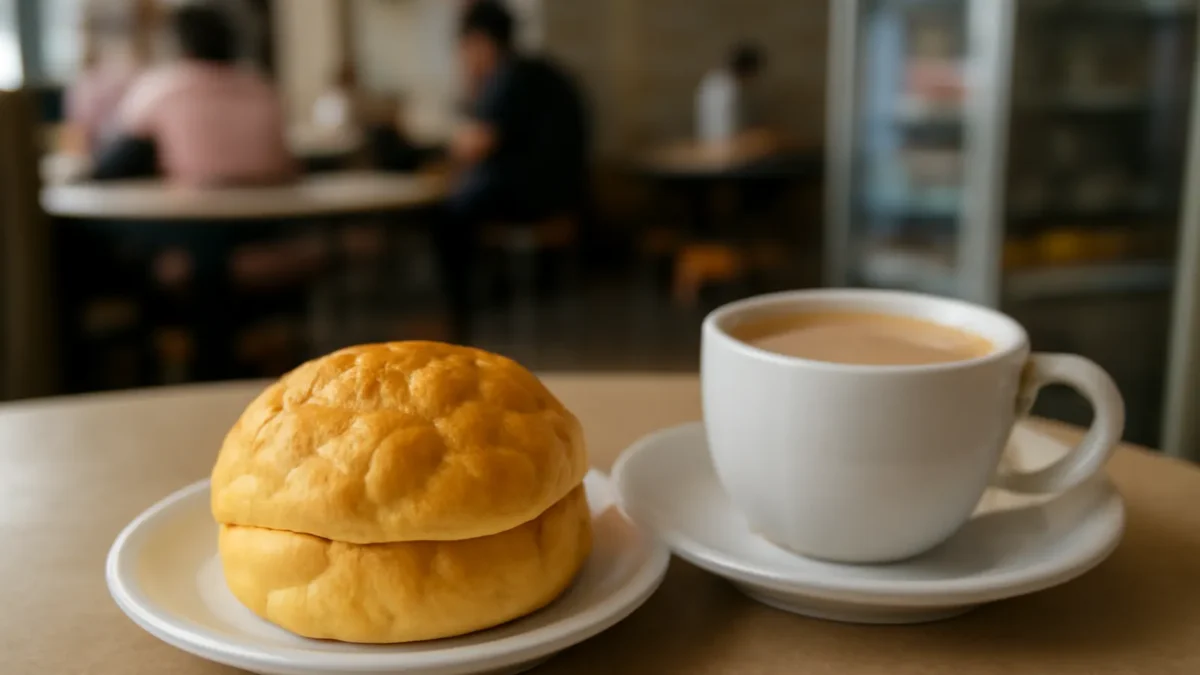
Hong Kong-style cafes are familiar in Singapore: silky milk tea, pineapple buns with butter, macaroni soup with ham, baked pork chop rice and French toast with syrup. The format is close to the local kopitiam, with a busier kitchen and a much longer menu. The general steps for any cafe are in our guide on how to open a cafe in Singapore, and larger Chinese kitchens are covered in our Chinese restaurant guide. This article covers what is specific to a cha chaan teng.
Choose your Hong Kong cafe format
| Format | Menu scope | What to plan for |
|---|---|---|
| Full cha chaan teng | Breakfast sets, noodles, rice, baked dishes, toast, drinks, often 100+ items | Several kitchen stations, a drinks bar, many modifiers, fast service staff |
| Focused cafe | Toast, buns, egg tarts, a few noodle and rice dishes, drinks | Smaller kitchen, lower staffing, strong afternoon tea trade |
| Milk tea and bakery kiosk | Milk tea, lemon tea, pineapple buns, egg tarts | Baking or buying in, takeaway packaging, queue at peaks |
| Food court or coffee shop stall | A short set menu of rice, noodles and toast | Tight space, shared seating, counter pick-up |
A full cha chaan teng can serve the same customer three times a day, but it needs a larger kitchen team and a disciplined menu. A focused cafe is easier to open and run. Many owners start focused and add dishes once the kitchen is stable.
Licences and premises
SFA’s requirements page lists restaurants, coffee shops, eating houses and standalone kiosks as Food Shops. SFA’s fees page lists the Food Shop Licence at $195 a year and the Food Stall Licence at $32 a year. For a Food Shop you apply on GoBusiness with a scaled layout plan showing exhausts, sinks, wash basins and the seating area. SFA reviews complete applications within 7 working days and carries out a pre-licensing inspection, virtually or through photos, before you open. SFA’s licensing page says a stall inside a coffee shop or food court that runs its own seating area needs a Food Shop Licence rather than a Food Stall Licence.
A full cha chaan teng kitchen fries, bakes and stir-fries, so check exhaust, gas and power with the landlord before you sign. All food handlers need the WSQ Food Safety Course Level 1: 6 hours of training plus a 1.5-hour assessment (SFA). Our Food Shop Licence guide covers each step.
Taming a huge menu with sets and modifiers
A long menu is part of the appeal, but it is hard on the kitchen, the service staff and the POS. The trick is to build most of the menu from a small number of bases and options:
- Carbohydrate choices. Macaroni, instant noodles, vermicelli, spaghetti or rice as one modifier group, rather than a separate item for each.
- Toppings. Ham, luncheon meat, sausage, satay beef, fried egg or scrambled egg as a second group.
- Drinks in sets. Hot drink included, cold drink as a small top-up, and special drinks at a higher top-up.
- Preferences. Less sweet, less ice, no spring onion, sauce on the side, toast cut or uncut.
Set required and optional modifier groups with minimums and maximums, so staff cannot send an incomplete set to the kitchen. Our guide to setting up menu modifiers in your POS explains the build order step by step, and our menu engineering guide helps you decide which items earn their place. Remove dishes that rarely sell but slow the kitchen.
Set meals by time of day
Time-of-day sets are what make a cha chaan teng. A typical day runs like this:
- Breakfast. Macaroni or noodle soup, eggs, toast and a hot drink as one set.
- Lunch. Rice and noodle sets with soup and a drink, built for office workers with limited time.
- Afternoon tea. Toast, buns, egg tarts or French toast with a drink, at a lower price point to fill a quiet period.
- Dinner. Baked rice, larger rice plates and stir-fries, with fewer set constraints.
Each period needs its own sets and, often, its own prices. Plan when each set menu starts and ends, and train staff on the changeover. Our guides to restaurant dayparting and lunch set menus go deeper. If you want the POS to switch set menus or prices by time automatically, ask us to confirm how that is configured for your menu.
Milk tea, coffee and the drinks margin
Hong Kong milk tea, yuanyang (coffee and tea), lemon tea and hot or iced Ovaltine usually carry better margins than food. Protect that margin:
- Use a fixed tea blend and brewing method, and write it down so every shift makes it the same way.
- Measure evaporated or condensed milk and sugar by portion, not by eye.
- Cost each drink per cup, including ice and takeaway cup. Our beverage cost guide shows how.
- Price cold drinks with a top-up, because ice and larger cups cost more.
Freshly prepared drinks fall under Nutri-Grade. HPB’s Nutri-Grade page says that from 30 December 2023 the rules cover freshly prepared beverages such as freshly brewed coffee or tea, and drinks graded C or D must show the mark next to the drink on physical or online menus. HPB has a concession for businesses with revenue of not more than S$1 million in the latest financial year and fewer than 10 food premises. Sweet milk tea is likely to grade poorly, so offering a less-sweet option helps. Our Nutri-Grade guide explains grading.
Kitchen stations and food safety
Split the kitchen into stations: a noodle and soup station, a wok and rice station, a toast and sandwich station, an oven for baked dishes, and a drinks bar. Route each item on the order to the right station so a table’s food arrives together.
Eggs feature in almost every set. SFA says eggs imported into Singapore must come from approved sources in accredited countries, and farms must be free of Salmonella Enteritidis (SFA). SFA still advises vulnerable groups to avoid raw eggs, and suggests pasteurised eggs for dishes that need raw or lightly cooked eggs (SFA). Soft scrambled eggs are a signature, so decide on your egg supply and cooking standard early. Our kaya toast cafe guide covers soft-boiled eggs in more detail.
Baked rice sauces, soup bases and braised items are made in batches. SFA says food not eaten straight away should be kept at 60°C or higher or refrigerated at 4°C or lower (SFA). If you bake pineapple buns and egg tarts in-house, see our bakery guide for ovens and schedules.
Fast table turns
Cha chaan tengs make money on volume. Diners expect to sit down, order, eat and leave within a short time, especially at lunch. Ways to speed it up:
- Shared tables. Seat solo diners together at peak times, as many Hong Kong cafes do.
- Quick ordering. QR ordering at the table, or staff with handheld ordering, so orders reach the kitchen straight away.
- Drinks first. Send drinks as soon as the order is placed.
- Fast payment. Pay at the table by QR, or at the counter on the way out, with cashless options.
Track how long tables stay occupied at each period. Our guide to table turnover rate explains how to measure and improve it.
Staffing a Hong Kong cafe
You need cooks who can handle several stations, a drinks maker who can keep the milk tea consistent, and fast floor staff. If you plan to hire Work Permit holders, MOM’s services sector page says only SFA food shop licence holders may employ migrant workers, and food stalls and hawker stalls are excluded. The quota is 35% of your workforce with a tiered levy. MOM’s source country list includes Hong Kong (HKSAR passport holders) among the North Asian sources for the services sector, alongside Malaysia and China. Our foreign workers in F&B guide has the details.
POS setup and opening checklist
- Sets and modifiers. ChaChaCha’s restaurant POS supports custom modifiers for noodle choice, toppings, egg style and drink top-ups, with English and 中文 interface and kitchen tickets.
- Kitchen display. The kitchen display system routes each item to its station, with order prioritisation and prep timers.
- QR ordering and tables. Dine-in QR ordering, table management and split bills for shared tables.
- Payments and costing. PayNow, PayLah!, NETS, Visa/Mastercard and GrabPay, plus recipe-level stock deduction and recipe costing for each set.
The POS keeps taking orders if the internet drops. Pricing is quote-based, and AppsPOS, which powers ChaChaCha, is approved under the EDGE Grant; see our grant guide.
- Format chosen and menu trimmed to what the kitchen can deliver fast.
- SFA layout approved before renovation.
- Sets built for breakfast, lunch, afternoon tea and dinner.
- Drinks recipes written, costed and graded for Nutri-Grade.
- Stations, table plan and POS modifiers tested in a soft launch.
Want to see a 100-item menu built with sets and modifiers? Talk to us for a demo and a quote.