Key takeaways
- A tea house is a Food Shop under SFA rules. SFA lists the Food Shop Licence at $195 a year.
- Price by the pot or by the person, and decide how many refills of hot water are included. Put the rule on the menu.
- Tea is non-dutiable, so imports attract GST only, but you still need a customs permit and SFA registration.
- Teapots and cups are food contact articles. SFA says imports of these also need a valid permit.
- Retail of leaves and teaware can add margin. Plan how you will label, weigh and track it before you open.
This guide is general information, not legal advice. Official rules and fees quoted come from the SFA, Singapore Customs, IRAS and HPB pages linked below, checked on 28 September 2026. Confirm the current position with each agency before you sign a lease.
A Chinese tea house sits between a cafe and a restaurant. Guests stay longer than at a cafe, spend on food as well as drink, and often buy leaves to take home. The general steps for any cafe are in our guide on how to open a cafe in Singapore. If you plan a full dim sum kitchen with banquets, read our Chinese restaurant guide as well. This article covers what is specific to a tea house: sourcing, pricing by the pot, food pairing and retail.
Choose your tea house format
| Format | What guests get | What to plan for |
|---|---|---|
| Gongfu tea room | Table-side brewing with small pots and cups, tea snacks | Trained tea staff, hot water at every table, long dwell times |
| Tea house with dim sum | Pots of tea with steamed and fried dim sum | A licensed kitchen, steamers, exhaust and more staff |
| Tea bar and retail shop | Tastings, cups to go, loose leaf and teaware for sale | Retail display, stock control, packaging and labels |
Most tea houses blend two of these. Decide the main one first, because it sets your floor plan. A gongfu room needs wide tables, space for kettles and a way to refill hot water safely. A dim sum menu needs a proper kitchen. A retail wall needs shelving, a counter and a small store room.
Licences and premises
SFA’s licensing page lists restaurants, cafes, coffee shops, food courts and takeaway kiosks as Food Shops. A tea house serving drinks and food falls into this group. SFA’s fees page lists the Food Shop Licence at $195 a year. You apply on GoBusiness with a scaled layout plan, SFA reviews complete applications within 7 working days, and you renovate only after approval. SFA’s requirements page says food handlers must meet the WSQ Food Safety Course Level 1 requirement at the point of application, and that includes staff who only brew tea.
Shophouses suit the atmosphere of a tea house, but check the approved use of the unit before you sign. Malls bring footfall for retail sales but usually have stricter rules on cooking and exhaust. If you plan to steam or fry dim sum, confirm the exhaust route with the landlord and your qualified person before you commit.
Sourcing and importing tea
Many tea houses buy from local importers and wholesalers at first. Once you know which teas sell, importing directly from growers can improve margins and let you tell a better story about each tea. Direct import has several steps:
- Business and customs set-up. Singapore Customs’ importing overview says you need a UEN and an activated Customs Account. Every import needs a customs permit, applied for through TradeNet, usually by a declaring agent you appoint.
- Duty and GST. Customs’ import procedures page lists the dutiable goods as intoxicating liquors, tobacco, motor vehicles and petroleum products. Tea is not on that list, so it incurs GST only, calculated on the cost, insurance and freight value. IRAS lists the current GST rate as 9%.
- SFA registration. SFA’s import fees page lists the Registration to Import Processed Food Products and Food Appliances as free. Only ACRA-registered businesses can apply.
- Teaware. SFA’s import requirements page treats cups, bowls, pots and utensils that touch food as food contact articles, and says imports of these need a valid permit too.
If you are unsure whether a product is controlled, Customs offers an official classification ruling at S$75 per product. Our import licence guide explains when direct import is worth the paperwork.
Herbal and floral blends such as chrysanthemum or goji need extra care. SFA’s page on Chinese medicinal materials in food says food businesses must make sure these ingredients do not have medicinal or therapeutic properties, and it publishes a list and search tool. Check each herb against it, and do not describe a tea as treating any condition.
Pricing: per pot, per person or by the cup
Tea pricing is less familiar to many diners than coffee pricing, so make the rule simple and visible. The common models are:
- Per pot. One price per pot of a given tea, with hot water refills included. Easy to explain; works for small groups.
- Per person. A tea charge per guest, common where dim sum is served. Guests understand it, and it scales with the table.
- By the cup. Suits a tea bar, takeaway and tastings.
- Tasting flights. Three small pours of related teas, useful for selling leaves afterwards.
Whichever model you pick, cost it from grams of leaf per pot, not from a guess. Weigh the dose for each tea, work out the cost per gram from your supplier invoice, and add water, cups and breakage. A rare aged pu-erh and a house jasmine green need very different prices. Our guide to beverage cost shows how to set targets and compare percentage and dollar margin.
State whether the price includes GST and service charge if you are GST-registered. Sweetened drinks such as iced milk tea or honey lemon are covered by Nutri-Grade: HPB’s Nutri-Grade page says freshly prepared beverages, including freshly brewed tea, sold at F&B outlets are in scope from 30 December 2023, and drinks graded C or D must show the mark next to the drink on physical and online menus. Unsweetened brewed tea is usually not the concern, but check every sweetened drink and topping.
Food pairing: dim sum or tea snacks?
Food keeps guests longer and lifts spend per head. You have two main routes:
- Tea snacks. Dried fruit, nuts, mooncake slices, pastries and small sweets bought from licensed suppliers. Little kitchen work, but plan for allergens and storage.
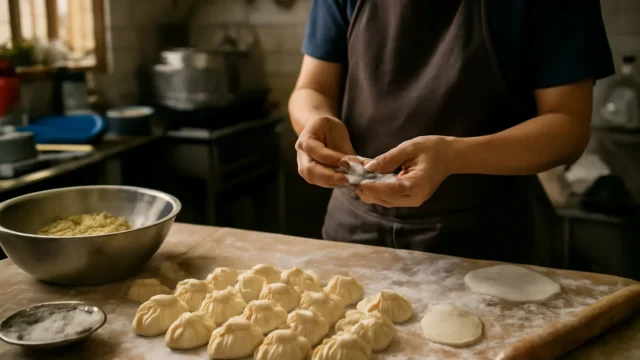
- Dim sum. Steamed and fried items made in-house or bought in frozen from a licensed manufacturer. This needs steamers, chillers and an exhaust system.
If you steam dim sum from frozen, thaw and cook safely. SFA’s December 2024 advisory says to thaw frozen food in a chiller at 0°C to 4°C, cook to an internal temperature of at least 75°C for 2 minutes, and not keep ready-to-eat food between 5°C and 60°C for more than 4 hours. SFA lists peanuts, tree nuts, soya beans, wheat, egg, milk, fish and crustaceans as the 8 most common allergens; many tea snacks and dim sum fillings contain several of them, so keep an allergen matrix.
Retail: selling leaves and teaware
Retail turns a good tasting into a sale that leaves with the guest. Plan three things:
- Weighed to order or pre-packed. SFA’s labelling page says food weighed or measured in front of the buyer is not prepacked, so the full label rules do not apply, though you should still give the information on request. Pre-packed tins and pouches must meet the Food Regulations’ labelling requirements. Importers may add sticker labels to imported packs to comply.
- Repacking. SFA’s food manufacturing licence page says repacking that breaks the primary packaging needs a Food Processing Establishment licence. If you plan to split bulk tea into your own branded packs, ask SFA which licence applies before you start.
- Teaware. Pots, cups and trays are higher-value items with long shelf lives. Track them by item so you know what sells and what sits.
Keep retail sales separate from tea service in your reports so you can see which side of the business is carrying the rent.
Staff, service and the guest experience
Table-side brewing needs trained staff. Write a short brewing card for each tea: grams, water temperature, steep times and how many infusions. Train staff to explain the tea in a sentence or two, to handle kettles safely and to spot when a table needs more hot water. A slow afternoon is a chance for staff to lead tastings that turn into retail sales.
Plan for long visits. Tea houses often see guests stay for hours, which lowers table turnover. A minimum spend at busy times, a time limit on weekend tables, or a per-person tea charge can balance this. Our guide to table turnover shows how to measure it.
POS setup for a tea house
A tea house needs table service, retail and loyalty on one system. With ChaChaCha’s cafe POS, powered by AppsPOS:
- Table management and tabs. Open a table, add pots, refills and dim sum through the visit, then split the bill at the end.
- Modifiers. Set pot size, number of guests, hot or iced, and snack add-ons as custom modifiers.
- Recipe costing. Recipe-level stock deduction takes grams of leaf off stock for each pot sold, and recipe costing shows the margin per pot.
- Retail. Sell leaves and teaware from the same system; see our retail POS page. Ask us to confirm how scales and weighed sales would work for your set-up.
- Loyalty. Points, stamps, stored value and birthday rewards suit a tea club for regulars. See CRM and loyalty.
- Payments. PayNow, PayLah!, NETS, Visa/Mastercard and GrabPay, with split payments.
Pricing is quote-based. AppsPOS is approved under the EDGE Grant; see our grant guide.
Tea house opening checklist
- Format chosen: gongfu room, dim sum tea house or tea bar with retail.
- Unit checked for approved use and, if cooking, exhaust.
- SFA layout approved; food handlers trained.
- Import route chosen: local wholesaler, or UEN, Customs Account, declaring agent and SFA registration.
- Herbal blends checked against SFA’s list; no health claims on menus or packs.
- Pricing model set and costed per gram; Nutri-Grade checked for sweet drinks.
- Retail labels and repacking licence question settled with SFA.
- POS set up with tabs, modifiers, recipe costing, retail items and loyalty.
Want to see pots, refills, dim sum and retail sales on one bill? Talk to us for a demo and a quote.