Key takeaways
- In Singapore, “seasons” mean festivals, harvest periods in the countries we import from, and local favourites such as durian and mooncakes. Build your calendar around those.
- Cost every limited-time item before launch, including packaging and wastage, and set a price that meets your target food cost.
- Confirm supply with vendors early. Imported seasonal produce can change in price and availability at short notice, so have a substitute ready.
- Set up limited-time items, modifiers and any vouchers in the POS before launch, and train staff with a tasting and a one-page brief.
- Run a post-season review using item sales and margin data, and decide what returns next year.
Seasonal menus give regulars a reason to come back and give you something new to talk about. They also add work: new recipes, new suppliers, new buttons on the POS and new things for staff to explain. The restaurants that do them well treat each season as a small project with a start date, an end date and a review.
This guide walks through that project for a Singapore outlet. The examples are hypothetical and labelled as such; use your own costs and sales data.
What “seasonal” means in Singapore
Without four seasons, a Singapore seasonal calendar has three layers:
- Festivals and public holidays. Chinese New Year, Hari Raya Puasa, Deepavali, Christmas and Mid-Autumn each bring their own dishes, gifting and dining habits. For the fasting month, see our Ramadan and Hari Raya planning guide.
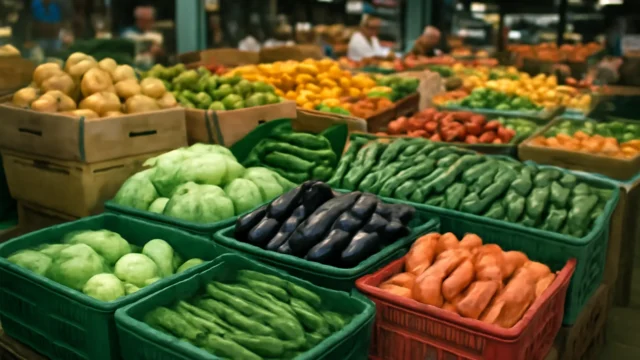
- Imported produce seasons. Much of our fresh produce comes from overseas, so what is plentiful depends on harvests in the countries we buy from. Our Singapore food supply statistics show where key food types are imported from. Stone fruit, strawberries, asparagus, certain seafood and truffles all have periods when quality is better and prices easier.
- Local favourites. Durian, mooncakes, festive cookies and yu sheng are anticipated every year. Diners know when to expect them.
You do not need to join every season. Pick the two to four that fit your cuisine and your customers, and do them properly.
Plan around the festival calendar
Festival dates move every year, so start each plan by checking the Ministry of Manpower public holidays page. As listed in our festive season guide, MOM shows Deepavali on 8 November 2026, Christmas Day on 25 December 2026, Chinese New Year on 6 and 7 February 2027 and Hari Raya Puasa on 10 March 2027.
Demand usually starts well before the holiday itself. Reunion dinners fall on the eve of Chinese New Year, Christmas parties spread across December, and the fasting month before Hari Raya Puasa shifts demand to buka puasa meals in the evening. Mid-Autumn is not a public holiday, so check the lunar calendar for the date and plan mooncake sales in the weeks leading up to it.
For each festival you choose, write down:
- The festival date and the dates your seasonal menu will run.
- What customers want: dine-in sets, takeaway, gifting or catering.
- Whether you will take pre-orders, and the cut-off date.
- Any certification needed, such as halal certification if you market a Hari Raya menu to Muslim customers.
Imported produce and local favourites
Working with imported seasonal produce
A menu built around a seasonal ingredient, such as a summer fruit dessert or a winter truffle pasta, depends on supply you do not control. Weather, freight and exchange rates all affect price and availability. Practical steps:
- Ask your suppliers which weeks they expect good supply, and get indicative prices in writing before you print menus.
- Choose dishes where the seasonal ingredient can be swapped for a similar one if supply fails.
- Avoid committing to a fixed promotional price for too long when the key ingredient is volatile. A shorter run is easier to cost.
- Check shelf life and storage space. A delicate fruit that spoils in two days needs a different ordering rhythm from frozen seafood.
Durian, mooncakes and other anticipated items
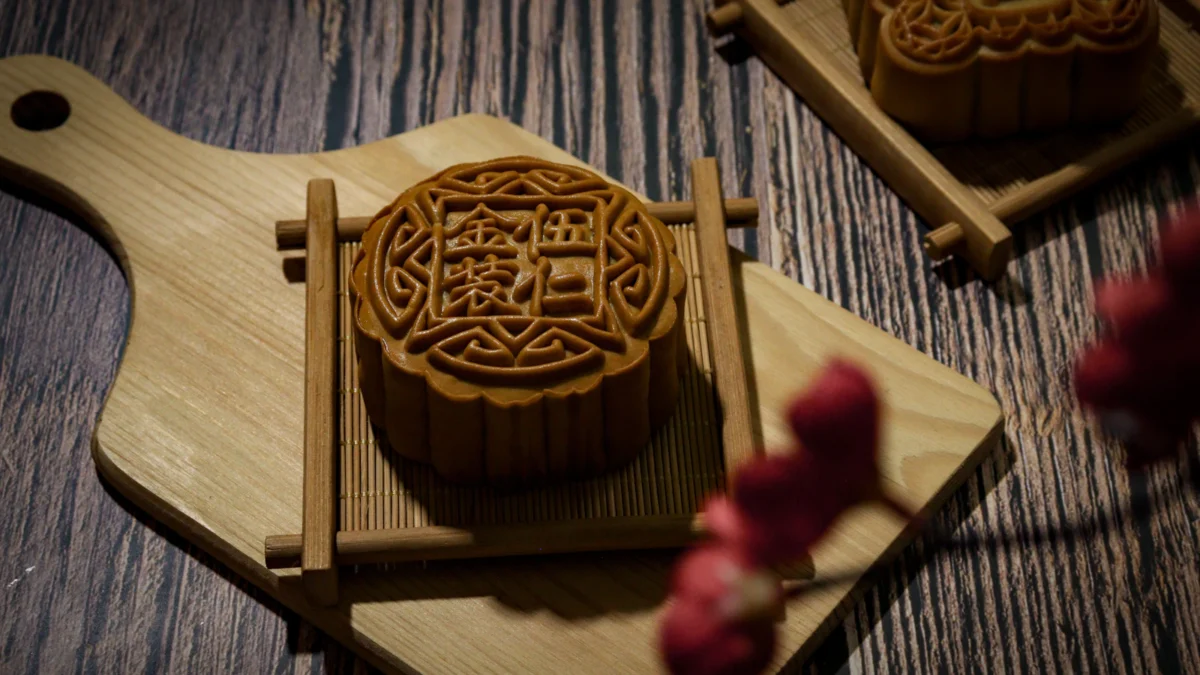
Local favourites are easier to sell because demand is already there, but they come with their own challenges. Durian desserts need strict storage to stop the smell spreading, and supply and prices vary through the year. Mooncakes and festive cookies are often sold as boxed gifts with pre-orders, corporate orders and a short, sharp sales window. Gift items also bring packaging lead times, which can be longer than ingredient lead times.
A GST point for gift items: IRAS’s Hotel and Food & Beverage page says items sold only for takeaway or delivery and not subject to service charge, such as mooncakes or festive cookies, must be displayed with GST-inclusive prices if you are GST-registered. See our service charge and GST guide.
Designing and costing limited-time offers
A limited-time offer (LTO) should be profitable on its own, not just a marketing expense. Keep the list short: two to five items is usually enough for a seasonal menu, and each one should be something your kitchen can produce at volume without slowing the rest of the menu.
Cost every item with a proper recipe card. Our recipe costing template shows the method. Include:
- Every ingredient at the current supplier price, adjusted for yield after trimming.
- Garnish, sauces and sides.
- Special packaging for takeaway and gift boxes.
- An allowance for wastage during the launch, when volumes are uncertain.
Hypothetical example. A café plans a mango pomelo sago for a six-week summer run. The recipe card shows an ingredient cost of $2.10 per serving, plus $0.40 for a takeaway cup and lid. The café targets roughly 30% food cost on desserts, so it looks at a price around $8.50 before GST and service charge. It then checks that price against its existing desserts and against what regulars are likely to pay, and settles on $8.80. These figures are illustrative only.
ChaChaCha includes recipe costing per menu item and recipe-level stock deduction, so each sale deducts ingredients by recipe. That helps you see actual ingredient use of a seasonal item against what you planned. For other inventory specifics, such as purchase orders or unit conversions, ask us to confirm. See inventory management.
Supplier planning
Seasonal items often need new suppliers or new products from existing ones. Start supplier conversations at least as early as you start menu design:
- Confirm availability, minimum order quantities, delivery days and lead times for each seasonal ingredient.
- Agree a price for the run, or at least a price review point.
- Name a backup supplier for anything critical.
- Plan storage: chiller and freezer space often runs out during festive weeks.
- Agree what happens to unused stock at the end of the season.
Our supplier management guide covers contracts and ordering routines, and reducing food waste covers how to avoid being left with seasonal stock nobody will buy after the promotion ends.
Staff training for a new seasonal menu
A seasonal menu fails quietly when staff cannot describe it. Before launch:
- Hold a tasting for front-of-house and kitchen staff, so everyone knows what each item looks and tastes like.
- Write a one-page brief for each item: description, key ingredients, allergens, price, pairing suggestions and the end date.
- Update allergen information and check it against the recipe cards. Seasonal items often add nuts, seafood or dairy that the regular menu does not have. See our allergen management guide.
- Practise the prep. Run the new items through a quiet service first, and time them. Our guide to launching a new menu item sets out a full test-and-review process.
- Set a script for sold-out items, so staff can suggest an alternative when an LTO runs out.
Part-timers who join for festive peaks need the same brief. Keep it short enough to read at the start of a shift.
Setting up limited-time items in your POS
The POS is where a seasonal menu becomes real for staff and for your data. Set it up at least a week before launch:
- Create the items with clear names, for example prefixed “LTO” or the season, so they stand out in reports.
- Add modifiers for choices such as size, spice level or add-ons. ChaChaCha supports custom modifiers.
- Route items to the right station. On a kitchen display system with station routing and prep timers, seasonal desserts can go to the pastry station while mains go to the hot line.
- Update every ordering channel: the counter, QR ordering, the online ordering page, the mobile app and any delivery listings, with the same names and prices.
- Plan start and end dates. Whether a system can schedule items to appear and disappear automatically varies. Ask us to confirm how item scheduling and availability would work for your menu, and get it in writing from each vendor, including us.
- Set up promotions carefully. If you run a voucher or loyalty offer for the season, test it on a dummy bill first. ChaChaCha’s loyalty tools include vouchers, points and stamps, and WhatsApp marketing for opted-in customers.
Also update your website menu and Google Business Profile with the seasonal items. Our restaurant website guide covers keeping those in step with the POS.
Marketing timeline for a seasonal menu
A seasonal menu needs to be announced early enough for people to plan around it. A typical timeline, which you can adjust:
| When | What to do |
|---|---|
| 8–10 weeks before launch | Choose the season, draft dishes, check dates on MOM’s page and ask suppliers about availability. |
| 6–8 weeks before | Finalise recipes, cost each item and set prices. Order packaging for takeaway and gift items. |
| 4–6 weeks before | Photograph the dishes. Write menu descriptions, allergen notes and pre-order terms. |
| 2–4 weeks before | Set up items in the POS and ordering channels. Announce on social media and your Google Business Profile. Open pre-orders if relevant. |
| 1 week before | Staff tasting and briefing. Message opted-in loyalty members. |
| Launch week | Check item sales daily and fix any POS or prep problems quickly. |
| Final week | Send a “last chance” reminder and plan how to use remaining stock. |
| After the season | Remove items from all channels and run the post-season review. |
For festive gifting such as mooncakes or Chinese New Year goodies, start earlier, because corporate buyers often order well ahead. If you send WhatsApp or SMS promotions, PDPC’s Do Not Call rules apply; see our PDPA guide for F&B. Our promotion ideas and social media guide have more on the channels.
The post-season review
Within a week of the season ending, pull the numbers from your POS reports while the details are fresh:
- Units sold per item, by week, and whether any sold out early.
- Revenue and margin per item, using the recipe cost and the actual selling price.
- Effect on the rest of the menu: did seasonal items add to spend, or simply replace regular dishes?
- Channel mix: dine-in, QR, online and delivery.
- Voucher and loyalty redemptions, if you ran a promotion.
- Leftover stock and wastage.
Then apply menu engineering: compare each seasonal item’s popularity and contribution margin against the rest of its category. Items that were both popular and profitable are candidates to return next year, or even to join the permanent menu. Items that sold well but earned little need a recipe or price change. Items that did neither can be dropped.
Write a one-page note: what to keep, what to change, when to start next time and which suppliers performed. File it with the recipe cards so next year’s plan starts from real data.
Where ChaChaCha fits
ChaChaCha is a Singapore POS powered by AppsPOS. For seasonal menus, the relevant features are custom modifiers, recipe costing per menu item with recipe-level stock deduction, a KDS with station routing and prep timers, QR ordering, an online ordering page and mobile app, loyalty tools including vouchers and WhatsApp marketing, and reports. See our restaurant POS page for more. Pricing is quote-based. Contact us and ask us to confirm how your seasonal menu would be set up.