Key takeaways
- Start with the basics that cost little: a complete Google Business Profile, fresh photos and replies to reviews. Many diners decide where to eat from a map search.
- Regulars are cheaper to keep than new customers are to find. Points, stamps, stored value and birthday rewards give people a reason to return.
- WhatsApp and SMS marketing to Singapore numbers falls under the PDPA’s Do Not Call rules. Get clear consent, make opting out easy and check the DNC Registry when required.
- Measure every idea with your POS reports: item sales, repeat visits and voucher redemptions tell you what to keep and what to drop.
Before you start: know who you are marketing to
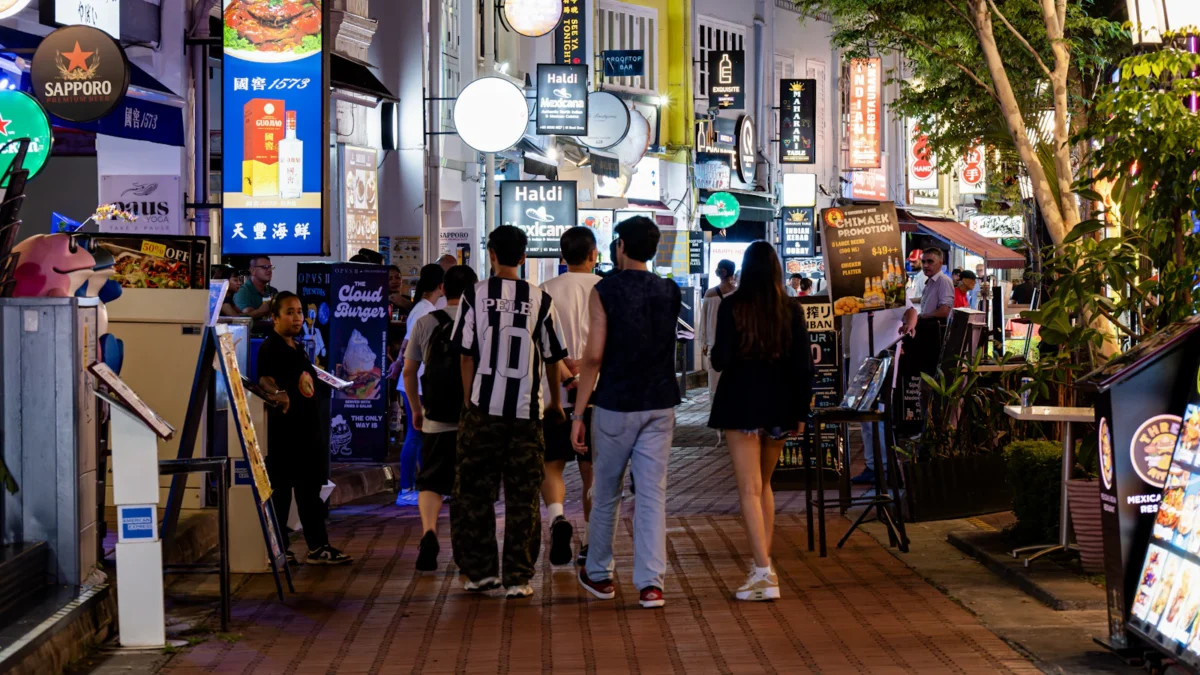
Restaurant marketing in Singapore is crowded. Within a few hundred metres of most HDB town centres, CBD office blocks and malls, diners can choose from hawker stalls, food courts, cafés, chains and independent restaurants. Trying to reach everyone usually means reaching no one in particular.
Before picking tactics, write down three things on one page:
- Who eats with you now. Office workers at lunch? Families at weekend dinner? Students after school? Look at your busiest hours and most-ordered items in your POS reports; they tell you more than guesswork.
- Why they choose you. Speed, a signature dish, value, a quiet space to talk, halal or vegetarian options, late opening hours. This becomes the message you repeat everywhere.
- Which gap you want to fill. A quiet Tuesday dinner, slow mid-afternoon hours, or a weak delivery channel. Marketing works best when it has one clear job.
With that page in hand, the 15 ideas below are grouped by goal. You don’t need all of them. Pick two or three that match your gap, run them properly for a couple of months and check the numbers before adding more.
Get found: be visible where diners search
A large share of “where shall we eat?” decisions now start on a phone. The first job of restaurant marketing is making sure you show up, with accurate information, when someone nearby searches.
1. Complete and maintain your Google Business Profile
Your Google Business Profile controls what people see on Google Search and Google Maps: name, address, opening hours, phone number, menu link, photos and reviews. Claim it if you haven’t, and fill in every field. Pay special attention to:
- Opening hours, including public holiday and Chinese New Year hours. Wrong hours lead to frustrated diners and poor reviews.
- Categories and attributes such as dine-in, takeaway, delivery, outdoor seating or wheelchair access.
- A direct link to your menu or online ordering page, so a search can turn into an order.
- Regular photos and posts for new dishes, seasonal menus and events.
2. Ask for Google Maps reviews, and reply to them
Reviews influence which restaurant a hungry person picks from a map. Ask satisfied diners politely, for example with a small table card or a QR code on the receipt linking to your review page. Don’t offer rewards in exchange for positive reviews, and never write fake ones. Reply to reviews, good and bad, in a calm and specific way. A thoughtful reply to a complaint often reassures future readers more than a string of five-star ratings.
3. Keep your food directory and social listings accurate
Singapore diners also browse food directories and review sites such as Burpple and HungryGoWhere, along with Instagram, TikTok and Facebook pages. You don’t need to be active everywhere, but your listings should be correct: address, hours, price range, photos and a link to book or order. Check them every quarter, and after any menu or hours change. An outdated listing is a small thing that quietly loses customers.
Win regulars: give people a reason to come back
New customers matter, but a restaurant’s stability usually rests on regulars. The ideas in this section turn a good first visit into a habit.
4. Run a simple loyalty programme with points or stamps
A digital stamp card (“buy 9 coffees, get the 10th free”) or a points system (earn points per dollar, redeem for a dish or a discount) gives people a concrete reason to choose you over the place next door. Keep the rules short enough to explain at the counter in one sentence. When loyalty is built into your POS and CRM, staff can look up members by phone number and points are added automatically, instead of relying on paper cards that get lost.
5. Offer e-wallet or stored-value top-up bonuses
Stored value lets customers top up a balance and spend it later, often with a bonus (for example, top up a set amount and receive a little extra credit). It works well for cafés, bubble tea shops and lunch spots with daily regulars. You receive cash upfront, and the customer has a balance that brings them back. Set clear terms for expiry and refunds, and make sure the balance is visible to the customer.
6. Send birthday rewards
A birthday voucher is one of the simplest loyalty tools and often one of the best received. Collect birth month (not the full date of birth, if you don’t need it) at sign-up, and send a voucher that is valid for the whole month. Birthday meals tend to bring friends or family along, so one voucher can turn into a table of four.
7. Use WhatsApp broadcasts, with PDPA-compliant consent
WhatsApp is how many Singaporeans communicate, so a short message about a new menu, a rainy-day promotion or a festive set can work well. It is also where restaurants most easily get into trouble with the Personal Data Protection Act (PDPA).
According to PDPC’s Organisation’s Guide to Singapore’s Do Not Call (DNC) Provisions, the Do Not Call Registry lets individuals opt out of marketing (“specified”) messages sent to their Singapore telephone number, covering voice calls, text messages and faxes. Key points from that guide:
- Before sending a specified message to a Singapore number, you must check the number against the DNC Registry, and the check must be made within 21 days before sending.
- If you have obtained clear and unambiguous consent from the individual to receive the message, you do not need to check the DNC Registry.
- Messages sent under an ongoing relationship (for example a membership or account) and related to that relationship are not treated as specified messages. PDPC notes that one-off transactions are not enough to establish an ongoing relationship.
- Include clear instructions for withdrawing consent in your messages, and stop sending to people who withdraw within 21 days.
In practice: ask for opt-in consent at loyalty sign-up with a clear, unticked checkbox, keep a record of that consent, add an easy “reply STOP” line to every broadcast, and honour opt-outs promptly. If you plan to message people who have not given clear consent, check the numbers against the DNC Registry first. This is a summary, not legal advice; read PDPC’s guidance or ask a professional if you are unsure how it applies to you.
Content: show the food, not just the logo
Food is visual. Good content does not need a production team, but it does need to be regular and honest.
8. Post short-form video
Short vertical videos on Instagram Reels, TikTok and YouTube Shorts suit restaurants: noodles being pulled, a wok on high heat, a cake being sliced, the lunchtime queue. Film on a phone, keep clips short and show real dishes and real staff. Post consistently rather than chasing one viral hit. A simple routine, such as one clip a week featuring a best-selling or new item, is easier to sustain.
9. Invest in menu photography
Clear, well-lit photos of each dish help on your Google profile, delivery listings, QR menu and social media. If you can’t hire a photographer, shoot near a window in daylight, use a plain background and photograph each dish the way it is actually served. Photos that look nothing like the real plate lead to disappointment and poor reviews.
10. Encourage user-generated content
Diners already photograph their food. Make it easy for them to share: a good-looking signature dish, a small wall or corner that photographs well, and your social handle printed on the menu or table card. Ask permission before reposting a customer’s photo, and credit them. Real customer photos often feel more trustworthy than your own posts.
Partnerships and events: work your neighbourhood
Local marketing is often the most overlooked. Your best new customers may work or live within walking distance.
11. Build neighbourhood partnerships
Team up with nearby businesses that share your customers but don’t compete with you: a gym, a tuition centre, a salon, a residents’ network or a nearby mall’s management. Simple cross-promotions (a voucher for their members, a flyer at your counter for theirs) cost little. Community events, festive bazaars and school or religious celebrations are also chances to be seen by the people who live around you.
12. Go after corporate lunches and group orders
Offices near your outlet order meals for meetings, trainings and team celebrations. Prepare a simple corporate menu with bundled sets, a clear minimum order and lead time, and contact office managers or HR teams directly. Pre-orders through an order-ahead page make these easier to handle, because payment and pick-up times are fixed before the rush. A few reliable corporate accounts can steady weekday revenue.
Delivery and online ordering: be easy to order from
For many outlets, delivery and takeaway are now a meaningful part of sales. Marketing here is about being easy to find and easy to order from, on the channels that suit your margins.
13. Balance marketplaces with your own ordering page
Delivery marketplaces such as GrabFood give you reach: customers who have never heard of you can discover you there. The trade-off is commission and less direct contact with the customer. Your own ordering page gives you the customer relationship and lets you link orders to loyalty, but you have to drive traffic to it yourself.
Many restaurants use both: marketplaces for discovery and your own channel for regulars. Put your ordering link on your Google profile, receipts, packaging inserts and social bios. With a delivery integration, marketplace orders flow into your POS so staff are not re-typing tickets from a tablet.
14. Offer your own delivery for direct orders
If you take orders on your own page, you need a way to get them to customers. On-demand courier services such as Lalamove let you deliver your own online orders without hiring riders. ChaChaCha connects online orders with Lalamove, so you can offer delivery on your own channel. Consider a small incentive for ordering direct, such as loyalty points or a free side, but keep pricing fair across channels.
Measure: find out what actually worked
Marketing without measurement turns into guesswork. Your POS already records most of what you need.
15. Track item sales, repeat visits and redemptions
Before any campaign, write down what success looks like, then check it in your POS reports afterwards:
- Item sales: did the dish you promoted sell more during the campaign than in the weeks before?
- Repeat visits: are loyalty members coming back more often? Compare visit frequency before and after you launched stamps or stored value.
- Campaign redemptions: how many vouchers or promo codes were used, and what was the average bill when they were?
- Channel mix: how much of your revenue is dine-in, takeaway, marketplace delivery and direct online orders?
- Time of day: did the quiet period you targeted actually get busier?
Give each voucher or code a unique name so you can tell campaigns apart. Keep what works, fix or drop what doesn’t, and review monthly.
Putting it together: a simple 90-day plan
If you are starting from scratch, here is one way to sequence the ideas above without overloading your team:
| Period | Focus | Actions |
|---|---|---|
| Weeks 1–4 | Get found | Complete Google Business Profile, add fresh photos, fix directory listings, start asking for reviews |
| Weeks 5–8 | Win regulars | Launch points or stamps, collect PDPA-compliant consent at sign-up, set up birthday vouchers |
| Weeks 9–12 | Content and channels | Post one short video a week, add your ordering link everywhere, approach two nearby offices |
| Every month | Measure | Review item sales, repeat visits and redemptions in POS reports; keep, adjust or stop each idea |
How ChaChaCha supports restaurant marketing
ChaChaCha is a restaurant POS powered by AppsPOS, a Singapore POS company operating since 2013. The marketing-related tools include:
- Loyalty and CRM: points and stamps, e-wallet or stored value, vouchers, birthday rewards and WhatsApp marketing.
- QR ordering, mobile app and online ordering page: dine-in scan-to-order and pre-order for collection.
- Delivery: GrabFood integration and Lalamove for delivering your own online orders.
- Reports: item sales and other reports to check which campaigns worked.
Pricing is quote-based. If you want to see how these fit your outlet, get in touch and we can walk you through a setup.