Key takeaways
- Peranakan cooking is labour-heavy. Rempah, slow braises and kueh take hours, so plan prep before you plan the menu.
- A restaurant needs an SFA Food Shop Licence ($195 a year); a coffee shop or food court stall needs a Food Stall Licence ($32 a year). Catering from home is not allowed.
- Shared plates change service: tables order several dishes plus rice, and dishes arrive over time. Set the kitchen and POS up for that.
- Festive set menus and pre-orders can fill your quietest days if you cap numbers and take them through one system.
- Price heritage dishes on their true cost, including prep labour, and explain the work on the menu.
This guide is general information, not legal advice. Official rules and fees quoted were taken from the agency pages linked below, checked on 28 September 2026. Confirm the current position with each agency before you sign a lease or pay a deposit.
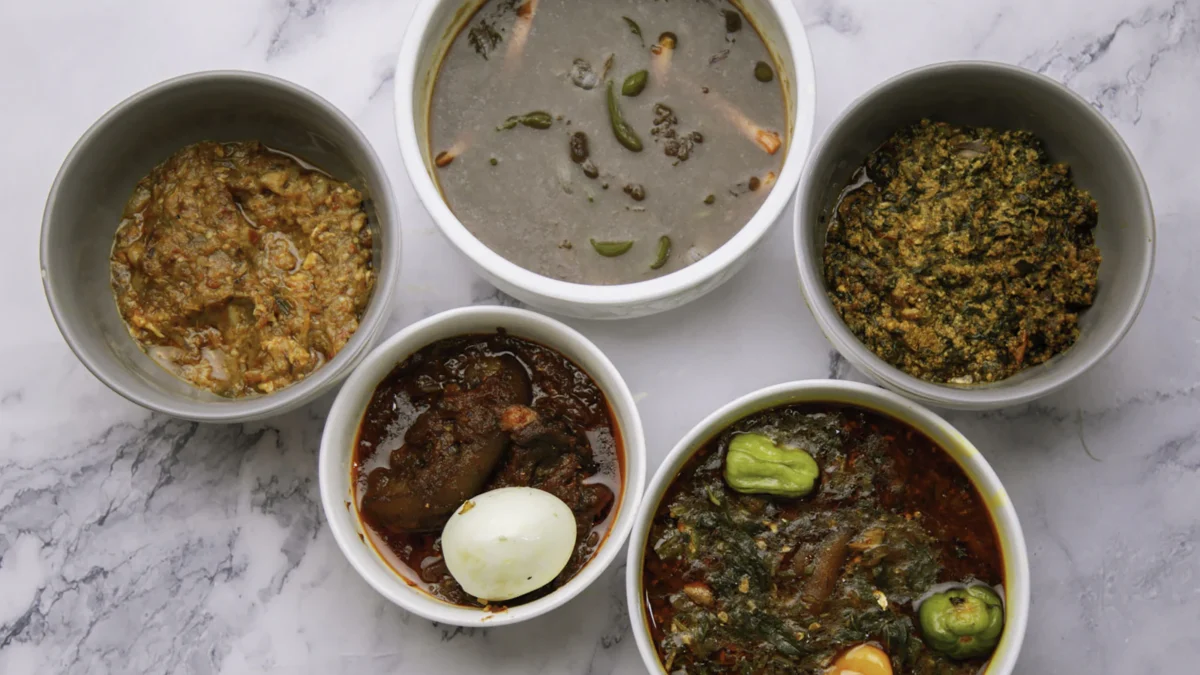
Peranakan (Nyonya) cuisine is part of Singapore’s food heritage. Diners know dishes such as ayam buah keluak, babi pongteh, itek tim, chap chye, sambal and kueh, and many compare yours with a family recipe. The general steps for any restaurant are in our guide on how to open a restaurant in Singapore. This guide covers what is specific to a Peranakan restaurant: the concept, where to trade, licences, a prep-heavy kitchen, shared plates, festive orders, pricing, staff and the POS.
Choose your Peranakan concept
| Format | How it works | What to plan for |
|---|---|---|
| Full-service restaurant | Shared dishes with rice, table service, heritage décor | Large prep team, family groups, festive peaks |
| Rice-and-dishes stall | Economy-style or set plates at a coffee shop or hawker centre | Batch cooking, hot holding, fast lunch service |
| Kueh and takeaway shop | Kueh, achar, sambal and ready dishes to take home | Early production, chilled storage, pre-orders |
| Private dining or catering-led | Set menus for groups and events | A licensed kitchen, delivery logistics, deposits |
Choose a small signature list first. A restaurant that tries to cover every Nyonya dish on day one will struggle with prep and consistency.
Where to open: hawker centre, coffee shop or restaurant
- Hawker centre. Through NEA’s monthly e-Tender. NEA’s Becoming a Hawker page says you must be a Singapore Citizen or PR aged 21 or above, with no more than two cooked food stalls in NEA-managed centres. NEA helps stallholders get the SFA licence.
- Coffee shop or food court stall. Rent from the operator; apply for an SFA Food Stall Licence. Suits a rice-and-dishes format with hot holding.
- Restaurant unit or shophouse. The setting many diners expect for a sit-down Peranakan meal. Check exhaust, gas and grease trap capacity, because braising and frying run for hours.
If you plan to cook centrally and sell at several points, read our central kitchen guide, because supplying other outlets can need a different SFA licence.
Licences and fees
SFA’s fees page lists the Food Shop Licence at $195 a year and the Food Stall Licence at $32 a year ($13 for hawker stalls). For a Food Shop, you submit a scaled layout plan showing kitchen equipment, sinks and exhausts; SFA reviews complete applications within 7 working days, and you renovate only after approval. SFA’s licence guide lists caterers as Food Shops, and SFA’s home-based business page says home-based food businesses must not offer catering, including buffet lines or packed meals. If festive catering is part of the plan, it must come from licensed premises. Our Food Shop Licence guide and catering guide have the details.
Fire safety works need SCDF-approved plans from a qualified person (SCDF). If you use LPG, SCDF’s Fire Code clause 10.1 requires a gas-leak detection system that shuts off the supply and sounds an alarm.
Kitchen and prep: planning for labour-heavy recipes
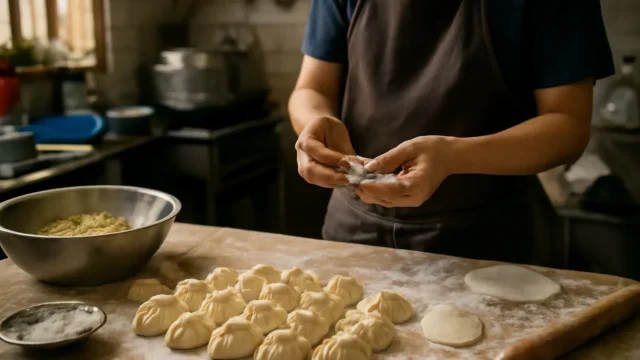
Most of the work happens before service. Rempah is pounded or blended, then fried slowly until the oil separates. For another rempah-heavy rice concept, see our guide to opening a nasi padang restaurant. Braises such as babi pongteh and ayam buah keluak simmer for hours, and buah keluak nuts need soaking and preparation days ahead. Kueh has its own production line. Plan for:
- Rempah production. Heavy-duty blenders or grinders, and wok or tilting pan capacity for frying pastes in batches.
- Braising burners. Stock-pot burners for long simmers, away from the à la minute line.
- Chiller space. For rempah, braises cooled for the next day, and sambal. SFA says cooked food not for immediate consumption should be chilled at 4°C or lower or held at 60°C or higher (SFA).
- Exhaust. NEA’s Code of Practice requires cooking fumes to be extracted and treated so no visible smoke is discharged. Frying chilli paste is pungent, so size the system with that in mind. SFA requires hoods and ducts to be degreased at least once every 12 months (SFA).
- Grease trap. PUB says all food establishments need one (PUB).
Write a daily and weekly prep list: which rempah and braises are made on which day, in what batch size, and how long each keeps. Batch rempah once or twice a week rather than daily, if it keeps well chilled. Our kitchen prep list template gives a format you can adapt.
Shared plates and menu design
Peranakan meals are usually shared: a table orders several dishes, rice for each person and perhaps a soup, and everyone eats together. That affects the menu and the service:
- Portion sizes. Offer small, medium and large portions for key dishes, so a couple and a family of eight can both order sensibly.
- Rice and sides. Price rice per person and make it easy to add more.
- Pacing. Braised dishes are ready to plate; fried dishes are cooked to order. Tell guests dishes come as they are ready.
- Spice and allergens. Mark spice levels. Belacan (shrimp paste) and dried shrimp are common, and SFA lists crustaceans among the main allergens (SFA). Pork and lard feature in many dishes, so be clear for guests who avoid them.
- Explain the dishes. Short descriptions help younger and overseas diners, and they justify the price of labour-intensive dishes.
Festive set menus and pre-orders
Chinese New Year, Christmas and family celebrations bring demand for set menus, takeaway feasts and kueh. If kueh could be a business of its own, read how to open a traditional kueh shop. Festive orders can fill your calendar if you control them:
- Publish set menus with a fixed number of portions and an order cut-off date.
- Cap orders by collection day according to your kitchen capacity, and stop taking orders when full.
- Take payment or a deposit at the time of order.
- Give each order a collection or delivery slot, and print a production list for each day.
- Pack dishes to travel: braises in sealed containers, sambal separately, and reheating instructions.
Our festive season guide covers staffing, pricing and marketing for peak periods.
Menu costing and pricing heritage dishes
Peranakan dishes often look underpriced for the work behind them. Cost each dish by recipe: ingredients per portion at your current supplier prices, plus a share of the rempah and stock it uses. Then add the prep labour: if a braise takes two cooks half a day, that time belongs in the cost. Food cost percentage is plate cost divided by the menu price before GST and service charge; a dish that looks fine on food cost alone can still lose money on labour.
Use menu descriptions to explain why buah keluak or a hand-made kueh costs more, and consider set menus that bundle labour-heavy and simpler dishes at a fair average price. Our recipe costing template and menu engineering guide help you find which dishes carry the menu. ChaChaCha’s inventory module deducts ingredients by recipe with each sale and gives recipe costing per menu item.
Manpower: cooks, prep staff and foreign worker rules
Peranakan kitchens need experienced cooks who know the recipes, plus prep staff for pounding, peeling and kueh. Documenting recipes by weight protects you if a senior cook leaves. All food handlers need a valid WSQ Food Safety Course Level 1, which SFA says is 6 hours of training plus a 1.5-hour assessment (SFA).
MOM’s services sector page says restaurants count as services for Work Permits but food stalls and hawker stalls do not, and only operators with an SFA Food Shop Licence may employ migrant workers. The quota is 35% of your workforce, with a tiered monthly levy:
| Share of total workforce (MOM tier) | Basic-skilled levy per month | Higher-skilled levy per month |
|---|---|---|
| Up to 10% | $450 | $300 |
| Above 10% to 25% | $600 | $400 |
| Above 25% to 35% | $800 | $600 |
See our guides to labour cost and foreign workers in F&B.
POS setup for a Peranakan restaurant
- Shared tables. ChaChaCha’s restaurant POS has table management, split bills and tabs, so a family table can add dishes through the meal and split the bill at the end.
- Portion and spice modifiers. Custom modifiers for portion size, spice level and “no pork” or allergy notes print on the ticket.
- Kitchen routing. The kitchen display system routes fried dishes to the wok line and braises to the plating station, with prep timers. The interface and kitchen tickets are available in English and 中文.
- Festive pre-orders. An online ordering page and QR pre-orders let customers order, pay and collect. For caps per collection day and production lists, ask us to confirm how your festive flow would be set up.
- Loyalty. Points, vouchers, birthday rewards and WhatsApp marketing bring families back for the next celebration.
Pricing is quote-based, and AppsPOS is approved under the EDGE Grant; see our grant guide.
Peranakan restaurant opening checklist
- Concept and signature dish list fixed.
- Unit checked for exhaust, gas, grease trap and power; SFA layout approved.
- Recipes written by weight; prep list and batch schedule drafted.
- Every dish costed including prep labour.
- Festive menus, caps and cut-off dates planned.
- POS set up for shared tables, portions, festive pre-orders and loyalty.
Want to see shared tables and festive pre-orders on your menu? Talk to us for a demo and a quote.