Key takeaways
- A dessert shop that sells to walk-in customers generally needs an SFA Food Shop Licence, which SFA lists at $195 for one year. Supplying your other outlets or other businesses from a central kitchen needs a different SFA licence.
- Nutri-Grade applies to beverages, not desserts in general. If you sell milkshakes, smoothies, coffee or tea, those drinks are covered, and toppings added to them need a sugar declaration.
- Cold chain is the core of the operation. Plan freezer capacity, power and backup before you sign the lease.
- Toppings, sizes and add-ons are POS modifiers. Set them up properly and you get accurate prices, tickets and stock usage.
- Queues and weather drive dessert sales. SMS queue alerts, QR ordering and delivery help you handle both.
How to open a dessert shop in Singapore is a question with two halves. The first is the same as any food shop: a company, a unit approved for food use, an SFA licence and trained staff. The second is specific to dessert: frozen and chilled products, many toppings, sharp peaks after meals and on hot weekends, and a menu that depends on seasons and trends. This guide focuses on the second half and links to our other guides for the rest.
Choosing a dessert concept
Your concept decides your equipment, layout, staffing and licence. Common formats in Singapore include:
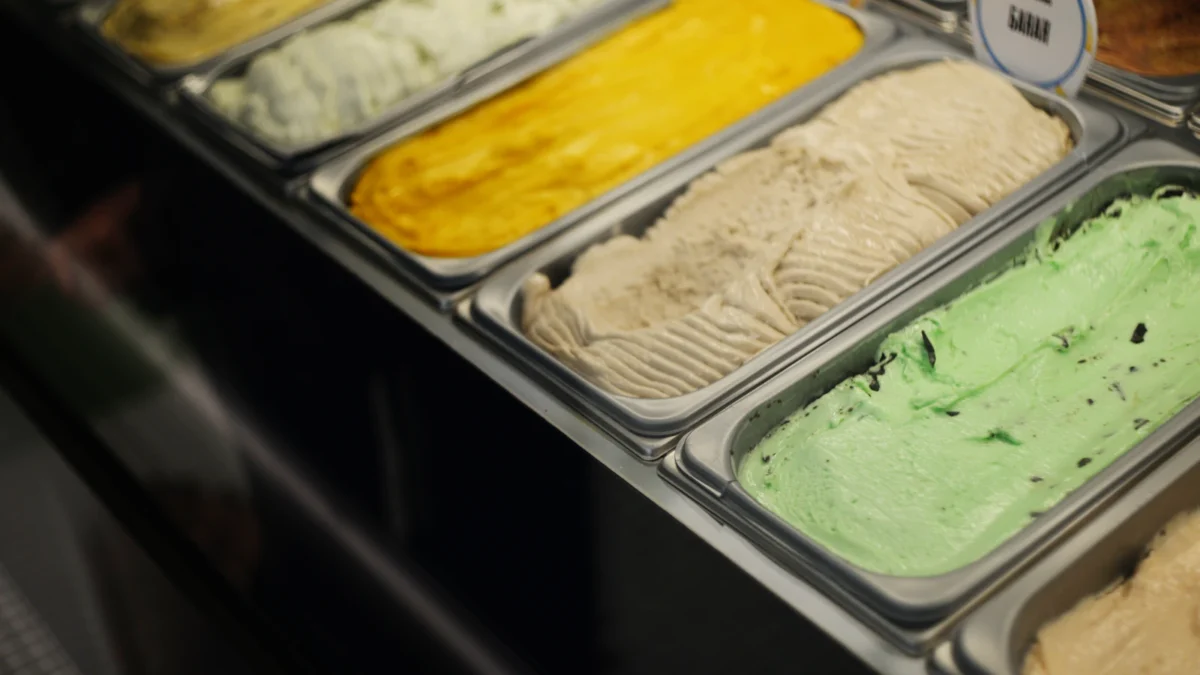
- Ice cream or gelato parlour. Scoops, cones, cups and pints. You either make your own in-store, which needs batch freezers and more space, or buy from a supplier and focus on serving.
- Bingsu and shaved ice. Shaved milk ice with toppings. It needs a shaved ice machine, a lot of freezer space and fast assembly at peak times.
- Traditional desserts. Hot and cold dishes such as tong sui, chendol or ice kachang. These use more stovetop cooking and larger batch prep, and often suit a smaller, value-focused menu.
- Cakes and plated desserts. Slices, whole cakes and pastries, often with coffee. This overlaps with a café, and if you bake on site it overlaps with a bakery too.
Many shops mix formats, for example gelato with waffles, or cakes with a drinks menu. Keep the core menu short at first. A focused menu is faster to serve, easier to train and simpler to cost. If drinks are a large part of your plan, read our guides to opening a café and opening a bubble tea shop as well.
Licences: the SFA Food Shop Licence, and production versus retail
SFA’s requirements for food retail licences cover food shops such as restaurants, bakeries and similar premises that sell directly to consumers. You apply for the Food Shop Licence on GoBusiness. SFA’s application process page lists it at $195, valid for one year, with complete applications reviewed within 7 working days. You submit a layout plan, renovate to the approved layout and pass a pre-licensing inspection. A stall inside a food court or coffeeshop falls under a different licence.
Watch the line between retail and production. SFA’s page on businesses that need a licence for food manufacturing and storage says food retail businesses may only sell to consumers. If you make ice cream or cakes in one kitchen and supply your other outlets, or sell wholesale to cafés, SFA treats that kitchen as a food processing establishment, with a separate licence, siting rules and inspection. Our bakery guide explains that licence, its fees and where such kitchens can be located.
Anyone who prepares food or drinks needs WSQ Food Safety Course Level 1 and must be registered with SFA. See our staff training checklist for how to build that into onboarding, and the café guide for company registration, approved use of premises, GST and CPF.
Cold chain and equipment
For most dessert shops, freezers and chillers are the most important equipment you will buy. A failure on a hot afternoon can mean discarding a large amount of stock. Plan for:
- Blast freezers or blast chillers. These bring products down to temperature quickly after production. They matter most if you make your own ice cream, cakes or mousse.
- Storage freezers. Upright or chest freezers for base stock, ice and frozen toppings. Size them for your busiest weekend, not an average day.
- Display freezers and chillers. Gelato cabinets and cake displays are part of your shopfront. Ask suppliers about defrost cycles, cleaning and servicing.
- Concept-specific machines. Batch freezers for gelato, shaved ice machines for bingsu, waffle irons, or stovetops and pots for traditional desserts.
- Power and ventilation. Several freezers draw a lot of power and give off heat. Check the unit’s electrical load and air-conditioning with your contractor before you sign.
- Monitoring. Temperature logs, alarms where possible, and a written plan for what staff do if a freezer fails overnight.
Follow your suppliers’ storage instructions for every frozen and chilled product. For chilled items and toppings, SFA’s food safety advisory says food should not stay in the 5 to 60°C danger zone for more than 4 hours, which is worth building into your topping bar routine.
Nutri-Grade: what it covers for a dessert shop
Nutri-Grade is a labelling scheme for beverages. The Health Promotion Board’s Nutri-Grade page defines Nutri-Grade beverages as prepacked drinks, drinks from automated dispensers and, from 30 December 2023, freshly prepared beverages such as freshly brewed coffee or tea, freshly squeezed juices, freshly blended smoothies and bubble tea. Desserts in general, such as ice cream, cakes or bingsu, are not in that list. HPB’s page also says that from mid-2027 the measures will extend to prepacked salt, sauces, seasonings, instant noodles and cooking oils, not to desserts.
Many dessert shops also sell drinks, and those drinks are covered. According to MOH’s implementation announcement and HPB’s page:
- Drinks are graded A, B, C or D on sugar and saturated fat content.
- C and D grade freshly prepared drinks must be labelled next to the drink on menus, including online menus.
- Toppings that can be added to freshly prepared drinks, such as ice cream and whipped cream, must carry a sugar declaration.
- Advertisements for D grade drinks are prohibited.
- MOH exempts businesses with revenue of no more than $1 million in the latest financial year that sell the drinks at fewer than 10 premises.
Where an item sits between a drink and a dessert, such as a thick shake or a float, ask HPB directly; its page gives Nutri-Grade@hpb.gov.sg for clarifications. Our bubble tea guide covers grading in more detail.
Menu, toppings and POS modifiers
Dessert menus are built from combinations: base, size, flavours and toppings. Set these up as modifiers in your POS rather than as separate items.
- Size and format. Single or double scoop, cup or cone, regular or large bingsu.
- Flavours. Pick one or two flavours per scoop count, with sold-out flavours easy to switch off.
- Toppings. Free and paid toppings, each with its own price, so the bill and the report are both correct.
- Notes. Allergy notes, such as nut-free, printed on the ticket so the person assembling the order sees them.
ChaChaCha’s POS supports custom modifiers, and orders can go to a kitchen display or be printed on kitchen tickets in English or Chinese. Well-built modifiers also feed inventory management and show which toppings sell and which just take up freezer space.
Allergens matter for desserts, which often contain milk, eggs, gluten and nuts. SFA’s food allergy page lists the allergens to declare on prepacked food, and for food sold loose it says businesses should give information on request. Keep an allergen sheet for every flavour and topping, and train staff to use it.
Queue management and self-ordering
Dessert shops often see queues after lunch, after dinner and on weekends. A long, visible queue can attract people, but a slow one loses them. Options include:
- SMS queue alerts. ChaChaCha’s queue system sends customers an SMS when their turn comes, with a digital queue display in store, so they can wait elsewhere in the mall.
- QR ordering. Dine-in customers scan, order and pay at the table, and pre-order customers order, pay and collect. See our QR ordering system page.
- Self-order kiosk. A self-order kiosk with a built-in card terminal lets customers browse flavours and toppings without holding up the counter.
- Fast payments. PayNow, PayLah!, NETS and cards at the counter keep the line moving. See POS payments.
Delivery: what travels well
Delivery can add sales on rainy days and late nights, but not every dessert survives the trip. Cakes, traditional desserts and pints of ice cream in insulated packaging usually travel better than scooped cones or bingsu. Build a separate delivery menu if needed.
ChaChaCha integrates with GrabFood, so delivery orders come into the POS alongside in-store orders, and Lalamove can deliver orders from your own online ordering page. See our delivery integration page. Keep delivery menus, prices, modifiers and any Nutri-Grade labels in step with your in-store menu.
Seasonal demand
Singapore is warm all year, but dessert demand still moves with weather, school holidays, festive seasons and trends. Plan for it:
- Weather. Hot, dry weekends tend to favour cold desserts; rainy days may push people to delivery or hot desserts. Keep a small hot dessert or drinks range if you rely on cold items.
- Festive periods. Chinese New Year, Christmas and similar seasons can bring whole-cake and gift orders. Use pre-orders with pickup times to plan production.
- Limited-time flavours. Rotate a seasonal flavour or topping to give regulars a reason to come back.
- Loyalty. Points, stamps and birthday rewards help bring customers back in quieter months. See CRM and loyalty.
Use your POS reports to compare sales by hour, day and item, and roster and order stock to match.
Costs and the EDGE Grant
We do not quote typical costs, because they vary widely by location, size and concept. The main cost areas are:
- Rent and deposits, often the largest fixed cost in a mall or high-footfall street.
- Renovation, including electrical work for freezers and any ventilation.
- Equipment, especially freezers, display cabinets and concept-specific machines.
- Ingredients and packaging, including delivery-grade insulated packaging.
- Staff, wages, CPF and training.
- Utilities, which are higher than average for a freezer-heavy shop.
- Systems, such as POS, queue, ordering and payments. ChaChaCha pricing is quote-based; use our POS cost calculator to plan.
Enterprise Singapore’s EDGE Grant page states that EDG, MRA and PSG cease on 29 September 2026 and that businesses apply under the EDGE Grant from 30 September 2026, with support of up to 70% for SMEs and levels that differ by activity. It is paid on a reimbursement basis, and eligibility rules apply. AppsPOS, which powers ChaChaCha, has been a PSG pre-approved vendor and is approved under the EDGE Grant. See our POS grant guide.
Dessert shop opening checklist
| Stage | What to do |
|---|---|
| Concept | Choose format, core menu, price range and whether you make or buy your base products |
| Business | Register the business; set up Corppass; plan GST and CPF |
| Premises | Confirm approved use, electrical load for freezers and ventilation before signing |
| Licence | Apply for the SFA Food Shop Licence; check whether any central production needs a separate licence |
| Equipment | Blast, storage and display freezers; concept machines; temperature monitoring and a failure plan |
| Menu | Recipes, costing, allergen sheets; Nutri-Grade grades for drinks or confirm the exemption |
| Systems | POS with modifiers, queue system, QR ordering or kiosk, payments, delivery |
| People | Hire, WSQ Food Safety Course Level 1 and SFA registration for food handlers, training plan |
| Launch | Soft opening, test peak-hour flow, then launch with a loyalty offer |
If you would like to see how ChaChaCha handles toppings, queues and delivery for a dessert concept, contact us for a demo and a quote.