Key takeaways
- A corkage fee covers the service, glassware and lost drinks margin when guests bring their own bottle. Set it from your own costs, not from what the restaurant next door charges.
- SPF says a licensee must not allow any liquor to be consumed in the licensed premises outside the licensed trading hours. That includes bottles guests bring.
- If you do not hold a liquor licence, confirm with SPF licensing whether allowing BYO is permitted before you offer it.
- Publish the policy where guests see it before they book, and ring corkage up as its own item so it shows in reports.
Last checked against SPF, CCCS and IRAS pages: September 2026. Licensing rules can change, so confirm current requirements with SPF before you set your policy. All fee figures below are hypothetical.
What corkage is and why restaurants charge it
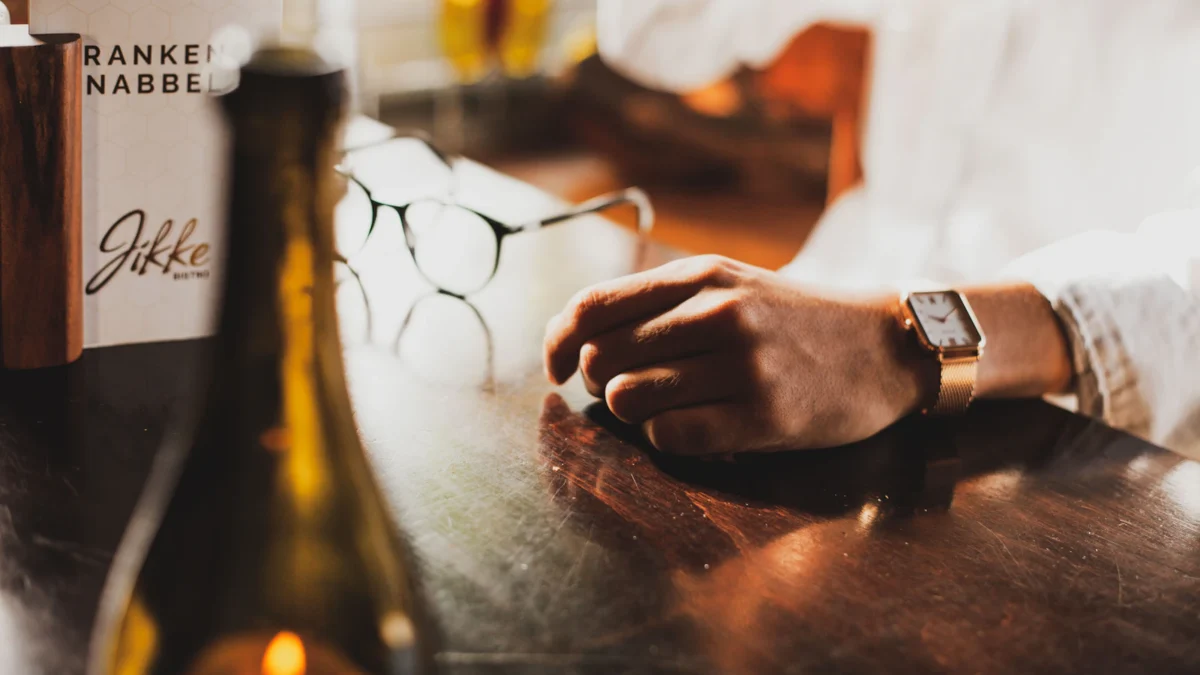
Corkage is the fee a restaurant charges when a guest brings their own bottle of wine or spirits to drink with the meal. The name comes from uncorking the bottle, but the fee covers more than that:
- Service: opening, decanting if asked, pouring and topping up.
- Glassware: washing, polishing and breakage, often with better glasses than the house wine gets.
- Chilling or ice buckets, and the space they take.
- The drinks margin you would have earned if the table had ordered from your list.
That last point is the biggest. For many restaurants, drinks carry a higher margin than food. A table that brings two bottles may spend less with you than a table that orders two, even after corkage. Our guide to restaurant menu pricing strategy explains how drinks margin supports the whole menu.
Should you allow BYO at all?
Allowing BYO is a business decision, not an obligation. Consider these factors:
- Your wine list. If you have invested in a list and a sommelier, BYO competes directly with it. Many fine-dining rooms still allow it, but limit it. A smaller wine-led room faces the same choice; see our guide to opening a French bistro. See our guide to opening a fine-dining restaurant in Singapore.
- Your guests. Collectors and celebration diners value the option and may choose you because of it. Diners on a budget may use BYO to cut their bill.
- Your licence. Whether you hold a liquor licence, and its trading hours, shapes what you can offer. See the licensing section below.
- Private events. Groups hiring the room often ask to bring wine or spirits. A clear event corkage rule saves negotiation each time. Our guide to restaurant private events covers event packages.
Common policy choices are: no BYO; BYO allowed with a per-bottle fee; BYO allowed only for bottles not on your list; or BYO allowed on certain days as a promotion. Pick one and apply it consistently.
Liquor licence points to check
The Singapore Police Force (SPF) licenses the supply of liquor. Its licence types page lists these classes for drinking on the premises:
| Class | What it covers | Trading hours | Annual fee |
|---|---|---|---|
| 1A | All liquor, including beer, for consumption at the licensed premises | 6am to 11.59pm | $880 |
| 1B | All liquor, including beer, for consumption at the licensed premises | 6am to 10pm | $660 |
| 2A | Beer only, for consumption at the licensed premises | 6am to 11.59pm | $460 |
| 2B | Beer only, for consumption at the licensed premises | As indicated on the licence | $285 |
SPF’s display requirements page is the most relevant to corkage. It says that under section 6(1)(c) of the Liquor Control (Supply and Consumption) Act 2015, the licensee must not allow any liquor to be consumed within the licensed premises outside the applicable trading hours, with a fine of up to $10,000 on conviction. That covers any liquor, so a guest’s own bottle counts. SPF suggests licensees inform patrons that liquor must be consumed within trading hours, remind them to stop by the end, collect unconsumed liquor for disposal, and notify the Police if patrons refuse.
The same page requires Class 1 and 2 licensees to display notices, in at least English, with the licensed trading hours and a statement that supply or consumption is not allowed outside them.
SPF’s licence conditions also say the licensee must not permit any individual to behave in a disorderly manner at the premises. That applies whether the wine came from your list or the guest’s bag.
If you do not hold a liquor licence, the SPF pages we checked do not say whether a restaurant may let guests bring their own alcohol, or whether charging corkage changes the position. Confirm with SPF licensing before you allow BYO. If you plan to serve alcohol regularly, read our liquor licence guide.
How to set your corkage fee
Build the fee from your own numbers. A simple method:
- Estimate service and glassware cost per bottle. Staff time to open and pour, washing, and an allowance for breakage.
- Estimate the margin you forgo. Take the gross margin on your most commonly ordered bottle. If a table brings one bottle, that is roughly what you lose.
- Decide how much of that margin to recover. Recovering all of it may put guests off. Recovering none of it means BYO tables subsidise themselves at your expense.
For example, with hypothetical figures: if your most popular bottle earns a $45 gross margin and service and glassware cost about $5 per bottle, a fee of $30 recovers the service cost and a little over half the lost margin. Whether that is right depends on your guests and positioning.
Consider different fees for different formats. A magnum takes more service than a 750ml bottle. Spirits served over an evening need more glassware and ice. Some restaurants set a higher fee for spirits than for wine.
Bottle waivers and limits
Waivers soften the policy without giving away margin. Common structures are:
- Buy one, waive one. Waive corkage on one BYO bottle for each bottle bought from your list.
- Spend threshold. Waive corkage for one bottle when the table’s food spend passes a set amount.
- Day-based waivers. Free corkage on a quiet night, to fill tables.
- Member waivers. One free corkage per visit for loyalty members.
Limits matter too. A cap of two bottles per table, or one bottle per two guests, stops a table turning your dining room into their cellar. A “not on our list” rule stops guests bringing the same wine they could buy from you. Write down who can approve exceptions, and keep it to managers.
Communicating the policy clearly
Guests should know about corkage before they arrive with a bottle. Put the policy on your website, on the reservation page and in booking confirmations, and brief every server so the answer at the table is the same whoever is asked.
This is also a matter of consumer protection. The CCCS Guidelines on Price Transparency describe drip pricing as adding mandatory or optional fees and charges along the transaction. Their key principle is that prices and conditions should be communicated clearly and prominently. A corkage fee the guest only learns about on the bill undermines trust.
Also be clear whether service charge and GST apply on top of corkage. The IRAS F&B page explains that service charge is subject to GST and sets price display rules. It does not deal with corkage specifically, so check the GST treatment with IRAS or your accountant, then state it in the policy.
If you hold a liquor licence, add a line reminding guests that all drinks, including their own, must be finished within licensed trading hours.
Ringing up corkage correctly in your POS
Corkage handled as a verbal arrangement tends to be forgotten, waived inconsistently or keyed in as “open food”. Set it up properly:
- A dedicated item. Create “Corkage, wine 750ml”, “Corkage, magnum” and “Corkage, spirits” as separate items, so reports show how many bottles and how much revenue.
- Waivers as recorded discounts. Ring up the fee, then apply a named waiver, rather than not ringing it at all. That way you see how often waivers are used and by whom.
- Manager approval. Restrict corkage waivers to staff with the right permission level.
- Service charge setting. Decide whether corkage attracts service charge and set it the same way on every item.
- Notes. Record the number of bottles opened on the order, so the kitchen and floor know what the table has.
ChaChaCha, powered by AppsPOS, supports staff permissions, custom modifiers and reports, so corkage can be sold, waived and reviewed like any other item. See our restaurant POS page, and ask us to confirm how you would set up corkage items and waiver rules, or talk to us.
Reviewing the policy
Look at corkage every quarter. How many bottles came in, how much corkage you collected, how many waivers you gave and to whom, and whether BYO tables spent more or less on food than other tables. If BYO is growing while wine sales fall, the fee may be too low or the waiver too generous. If guests complain and bookings from celebration diners drop, it may be too strict.