Key takeaways
- A yong tau foo stall can run from an NEA hawker centre (through the monthly e-Tender, with a $500 tender deposit), a coffee shop or a food court. SFA lists the Food Stall Licence at $13 a year for hawker stalls and $32 a year elsewhere.
- Buy fishballs, fish paste, tofu and noodles only from SFA-licensed suppliers. SFA does not allow licensed food businesses to source ingredients from home-based or online food businesses.
- The real cost is stuffing labour. Plan the morning prep around what sold yesterday, not guesswork.
- Pick-your-own pricing only works if pieces are easy to count and easy to key in. Keep price tiers few and set them up as fast buttons on your POS.
This guide is general information, not legal or food safety advice. Rules and fees come from NEA and SFA pages we checked in September 2026. Confirm the current requirements with each agency before you commit money.
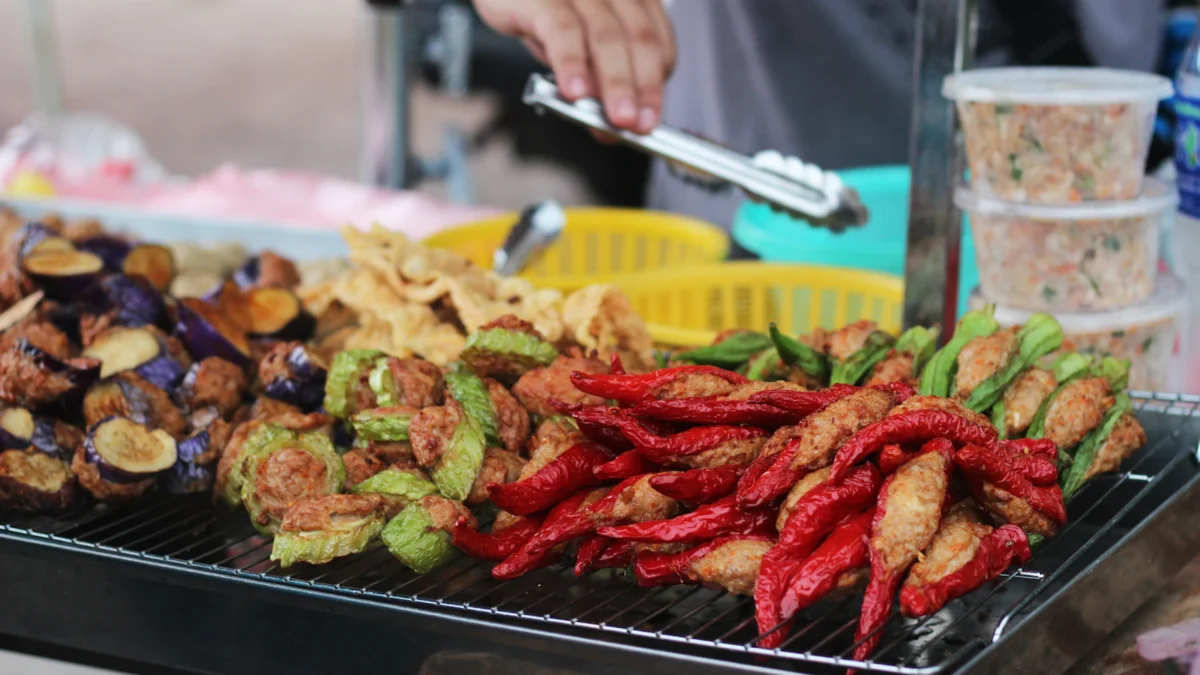
Yong tau foo is one of the few hawker dishes where the customer builds the order. They pick pieces of stuffed tofu, bitter gourd, chilli, brinjal, fishballs and greens into a bowl, choose a noodle or rice, then decide on soup or dry with sauce. For a stall built around a single soup, see how to open a fish soup stall in Singapore. That makes the stall different to run from a chicken rice or noodle stall. Most of the work happens before the first customer arrives, the menu is really a price list for pieces, and the cashier has to count a bowl quickly and correctly while a queue waits. This guide covers where to open, licences, sourcing, prep labour, soup and dry options, pricing, fast POS entry, food safety at the display and a checklist. For the general process of getting a stall, start with our hawker stall guide.
Hawker centre, coffee shop or food court
NEA hawker centre stall
NEA rents out vacant stalls in the centres it manages through a monthly electronic tender. Its Tender Notices page says bids go through the E-Tender system and you pay a $500 tender deposit online. According to NEA’s Becoming a Hawker page, you must be a Singapore Citizen or Permanent Resident aged 21 or above, and one person can rent at most two cooked food stalls. The tender notice for each stall lists what it may sell, so check that yong tau foo fits before you bid.
Look at the stall with a yong tau foo layout in mind. You need a display area for trays of raw pieces, space for a boiling pot of soup and a blanching station, a sink big enough for washing greens, and chiller space for fish paste and stuffed items. Before you bid, run the numbers in NEA’s Hawker Business Calculator, which estimates earnings from the bid sum, expected revenue and costs.
Coffee shop and food court stalls
Coffee shop and food court operators rent stalls directly. Ask whether another stall already sells yong tau foo, what the rent covers (utilities, cleaning, dishwashing), whether you collect your own payments, and what hours you must open. Our kopitiam guide lists what a stallholder agreement should cover. Food court operators often set price bands and may run central payment systems, which affects how you price by piece.
Licences, training and the steps to open
SFA’s fees page sets out the Food Stall Licence: $32 a year, reduced to $13 a year for hawker stalls. NEA’s page explains that for NEA-managed centres it helps you apply for the Food Stall Licence as part of tenancy administration. If the centre is run by an NEA-appointed operator, or you rent from a coffee shop or food court, you apply to SFA yourself. SFA’s requirements page says you then need a tenancy agreement, the IRAS Certificate of Stamp Duty and a layout plan.
Training matters at a yong tau foo stall because several people usually handle raw fish paste. SFA’s WSQ Food Safety Course Level 1 page says every food handler in an SFA-licensed establishment must hold the certificate. The course is six hours of training plus a 1.5-hour assessment, with the first retraining due within five years. NEA says a cooked food stall must have the Food Safety Course certificate before the licence is issued. Include any family member or part-timer who helps with stuffing.
After the tenancy is signed, NEA lists the remaining steps: a joint inspection with the Place Manager, opening utility accounts, getting NEA approval for any additions and alterations, buying fire insurance, and registering hawker assistants or a joint operator on Hawkers Online. Our SFA inspection guide covers what inspectors look at once you open.
Sourcing fishballs, fish paste and tofu
Most stalls buy a mix of ready-made items (fishballs, fish cakes, crab sticks, tau pok, tofu skin rolls) and fish paste for stuffing their own vegetables. The rule to know is on SFA’s licensing page: licensed food businesses may only sell food prepared on their licensed premises or obtained from other licensed food businesses. They may not obtain food, including raw materials and ingredients, from home-based or online food businesses that SFA does not license. So:
- Buy fish paste, fishballs, tofu and noodles from licensed manufacturers or distributors, and keep their invoices.
- Do not take stuffed items from a relative’s home kitchen, however good they are. Stuff them at the stall or in another licensed premises.
- Agree delivery times that suit your prep. Fish paste arriving after you have started stuffing costs you a morning.
Your homemade items are what customers remember. Many stalls buy standard fishballs but stuff their own bitter gourd, chilli and brinjal with a house fish paste mix. Decide which items you make and which you buy, because that decision drives both labour and margin.
Stuffing and prep labour: plan the morning
Stuffing is slow, careful work, and it all happens before lunch. A realistic prep plan starts from sales, not from the tray sizes you like the look of:
- Count what sold. At close, note how many of each piece went and how many were left. After two weeks you will see which days need more bitter gourd and which items barely move.
- Set a par for each item by day. Write a target number for each piece for weekdays and weekends. Our kitchen prep list template shows a simple format.
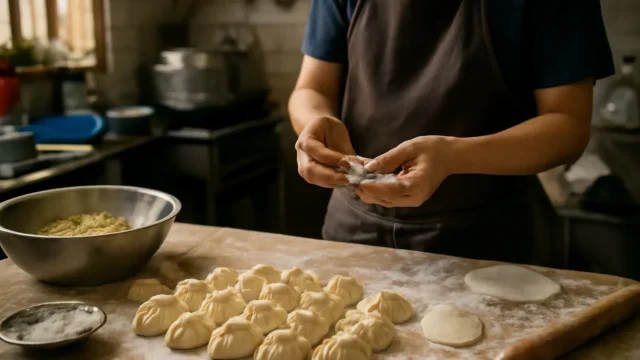
- Stuff in batches and keep them cold. Stuff a first batch for the opening display and hold the rest in the chiller, then top up the trays through the lunch peak.
- Cut what does not sell. A piece that needs ten minutes of stuffing and sells five times a day is a candidate to drop or to buy ready-made.
If you hire help, remember that prep hours are paid hours. Our labour cost guide explains how to work out whether an extra pair of hands in the morning pays for itself.
Soup, dry and other options
Yong tau foo has more ways to serve the same pieces than most dishes. Most stalls offer at least a clear soup version and a dry version with sweet sauce and chilli. Some add a curry or laksa-style gravy, a choice of noodles (bee hoon, kway teow, yellow noodles) or rice, and extras like fried items served on the side. Each option adds a question at the counter and a step for the cook.
- Keep the base options short: soup or dry, then noodle or rice type. Three or four choices is plenty.
- Price the gravy clearly. If curry or laksa gravy costs extra, show it on the signboard and in the POS so staff do not have to remember.
- Standardise sauces. Batch the sweet sauce and chilli to a written recipe so the dry version tastes the same every day.
The soup pot is also a food safety point. SFA’s December 2024 advisory says ready-to-eat food should not sit between 5°C and 60°C for more than four hours. Keep the stock at a rolling boil or hot hold, and do not top up old soup with new overnight.
Pricing by piece: keep it simple and fair
Pick-your-own pricing is the heart of yong tau foo, and it is also where disputes happen. A few principles help:
- Use a small number of price tiers. For example, a standard piece price, a premium price for items that cost more to make or buy, and a minimum number of pieces per bowl. Fewer tiers make counting quick and fair.
- Price noodles or rice as part of a set. A set with a minimum number of pieces plus noodles is easier to explain than pieces plus a separate carb charge.
- Show prices clearly. Mark premium items with a colour or a separate tray so customers know before they pick.
- Check your food cost. Work out the cost of each piece, including fish paste, vegetable and labour time. Our food cost guide shows how.
We have not quoted piece prices here because they vary a lot by location and ingredients. Visit the stalls near your site and note what they charge before you set your own.
Fast per-item POS entry and payments
The cashier’s job at a yong tau foo stall is to count a bowl and ring it up in a few seconds. Set your POS up so that is possible:
- One button per price tier, not per piece. The cashier taps “standard” six times and “premium” twice rather than hunting for each item. If you want item-level data for prep, record the main items on a separate screen during quieter periods.
- Modifiers for the rest. Soup or dry, noodle type, gravy and “no chilli” work well as modifiers. With ChaChaCha, custom modifiers print on the ticket so the cook sees the same order the cashier took.
- Payments. ChaChaCha supports PayNow, PayLah!, NETS, Visa and Mastercard and GrabPay, with split payments. See POS payments.
- Queue display. At lunch, a queue system with a digital queue display or SMS notification lets customers step away while their bowl is cooked.
If you want quantity-based counting or a set-and-add-on structure configured in a particular way, ask us to confirm how it is best set up before you buy. Our hawker POS comparison and hawker POS page cover the options for small stalls.
Food safety at the display counter
An open display of raw and stuffed pieces is what makes yong tau foo work, and also its main food safety risk. SFA’s December 2024 advisory gives practical rules that fit a stall well:
- Thaw frozen items in a chiller at 0°C to 4°C, not on the counter.
- Store cooked and ready-to-eat food above raw food, and colour-code tongs and boards for raw and cooked items.
- Cook meat and fish items through. SFA’s guide is an internal temperature of at least 75°C for two minutes.
- Put out small trays and replace them often, rather than one large display that sits all day.
- Give customers tongs to pick pieces, and keep the display under a cover or sneeze guard.
Customers with allergies will ask about fish, crustacean, egg, gluten and soy in your pieces and sauces. Our allergen management guide explains how to keep an allergen list your staff can use.
Opening checklist
- Confirm the stall allows yong tau foo, then bid or sign with the operator.
- Get WSQ Food Safety Course Level 1 for everyone who handles food.
- Get your Food Stall Licence (through NEA, or direct from SFA).
- Line up licensed suppliers for fish paste, fishballs, tofu and noodles, with delivery times that match your prep.
- Write recipes for fish paste mix, soup and sauces.
- Set piece price tiers and sets, then build them as POS buttons and modifiers.
- Plan chiller space, display trays and colour-coded tongs.
- Set up cashless payments and a queue display for lunch.
- Track sales by piece for two weeks and set daily prep pars.
If you would like to see how a stall setup would look, contact ChaChaCha. Pricing is quote-based, so ask for a quote for your stall.